June 20 ~ Daily Listening Assignment


Today’s piece is one of those that piano students often try to learn on their own – or a friend will teach them the first 9 notes.  It’s usually played too fast and, often in the wrong octave, or the first couple notes are repeated too many times.

This is one of two pieces that are so often played incorrectly that they have the distinction of being banned from competition in Northern Virginia Piano Teacher competitions.

Stay tuned for the other one!

Fur Elise was not published during Beethoven’s lifetime, having been discovered by Ludwig Nohl 40 years after the composer’s death. The identity of “Elise” is unknown.

The very basic melody:


The actual beginning is a little more involved.
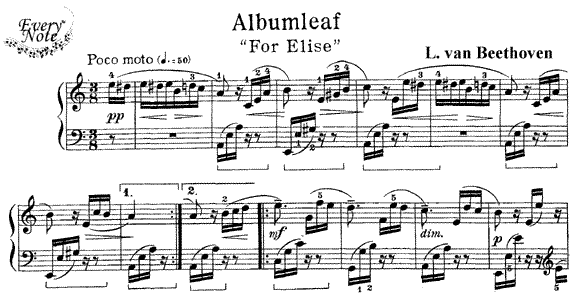
 

And, there’s more!


If you’d like to learn to play this piece correctly, find the sheet music at IMSLP, Beethoven: Exploring His Life and Music, and countless compilations of classical music available at the O’Connor Music Studio.

Follow along:

By Valentina Lisitsa:


Ragtime!


A variety of instruments (Piano, Guitar, Cat Piano, Cello, Launchpad, Ukulele)


The Big Piano at FAO Schwartz in NYC:


Glass harp:


Youtube has many, many more versions.  Beethoven would probably go nuts!

Piano Maestro New Releases

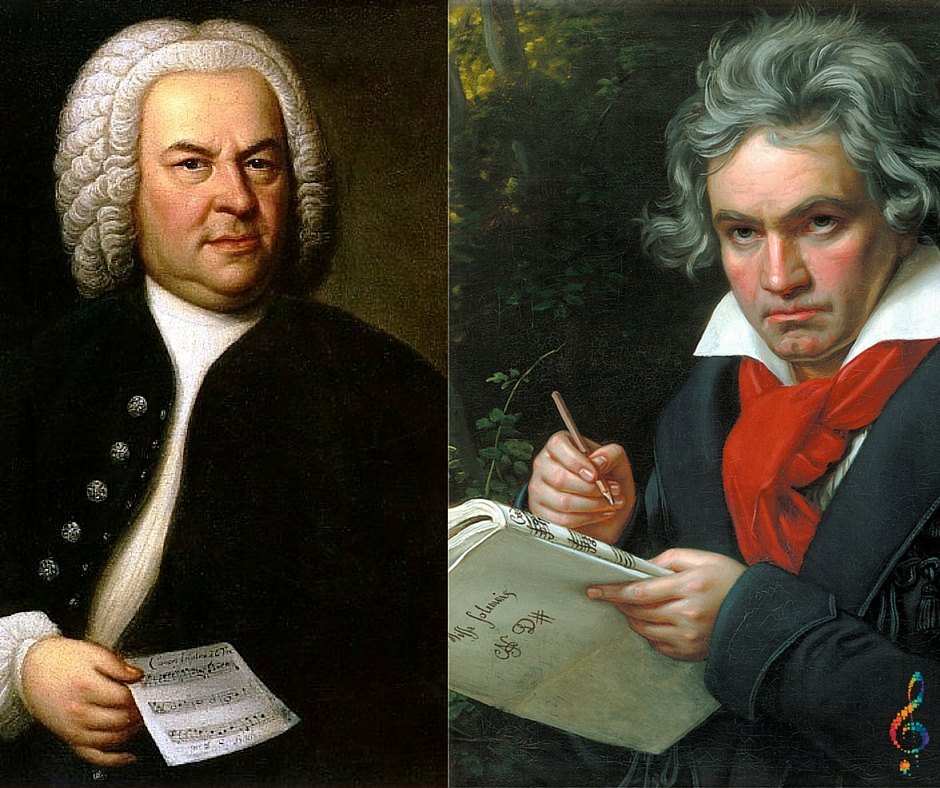
bach-beethoven


JoyTunes (Piano Maestro) just released one of the most beautiful pearls of classical piano music, Bach’s Prelude in C major.

As a bonus, they also released the original version of Für Elise (till now we had the simplified version). You can find them in the Classical & Opera section.


Piano Maestro is available to students of the O’Connor Music Studio for no extra charge.

Is This Beethoven’s Last Work for Piano?

Arts-SMH


IS THIS Beethoven’s last work for piano? The Sydney musicologist Peter McCallum believes it is.

The 32 bars of handwritten musical notation caught his eye when he was studying the composer’s last sketchbook in Berlin a couple of years ago. But it has required some detective work to determine what the great composer – whose handwriting was famously chaotic – intended.

“I didn’t know it was a piano piece until I actually sat down and tried to write it out,” says McCallum. “Beethoven almost never used clefs or key signatures so you have to think about it … but once you do crack the code it’s clear.”

McCallum, who is associate professor in musicology at the University of Sydney and the Herald’s classical music critic, believes the piece was written about October 1826, just a few months before the composer died in March 1827.

“Beethoven always jotted down ideas, it was almost compulsive,” he says. “The amount of paper he covered in the last three years of his life was quite amazing. There are a lot of little ideas that crop up that don’t go anywhere. But this was more than a little idea. It actually has a right hand and a left hand and it’s got phrasing marks and staccato marks in a few places. So it’s quite clear it was a complete piece.”

Now the pianist Stephanie McCallum has used her husband’s transcription to make the first recording of the piece. Bagatelle in F minor is just 54 seconds long and is the final piece on her CD Fur Elise, Bagatelles For Piano By Ludwig Van Beethoven.

Although most of Beethoven’s sketchbooks have been studied in detail, the final sketchbook – housed in Berlin’s State Library – has attracted little attention.

Although his later works are often seen as spiritual, the fragment has a different quality, says Peter McCallum. “It’s slightly melancholy. But it’s a pleasant little thing and it’s quite easy to play. What I like about it is that a child could enjoy playing it. We could give Fur Elise a rest for a while.”

From: http://www.smh.com.au/articles/2008/09/04/1220121428067.html