Vivaldi’s Spring ~ From Piano Maestro

vivaldi


Vivaldi, one of the greatest baroque composers, has a very interesting story. He ran an orphanage in the 18th century in Italy that became famous all over the western world for its musically talented children. A lot of his pieces were written for specific children in his school. Vivaldi learned the violin from his father, and was trained as a priest. He was nicknamed “the red priest” for his red hair and was apparently somewhat sure of himself, having claimed once he can compose a concerto faster than it can be copied.

Vivaldi wrote over 500 pieces, most of which are lost today. He is considered one of the greatest musical landmarks in history, having inspired many composers that followed him, including J.S.Bach and others.

Other fun facts about Vivaldi can be found here.

Vivaldi’s Spring is available on Piano Maestro, which is available to my students free of charge.

Daily Listening Assignments ~ June 1, 2025

Today, we start with Spring from the Four Seasons by Vivaldi.  Many OCMS students have played this already in one of their Piano Pronto books.  It’s also available in Piano Maestro.

If you have it in your piano book, today would be a great day to review it. (HINT – there might be a quick review at your next lesson!)

Vivaldi was born in Venice, Italy, March 4, 1678 and spent most of his life there. His father taught him to play the violin, and the two would often perform together.

He taught at an orphanage for girls and wrote a lot of music for the girls to play. People came from miles around to hear Vivaldi’s talented students perform the beautiful music he had written.

Many people think Vivaldi was the best Italian composer of his time. He wrote concertos, operas, church music and many other compositions. In all, Antonio wrote over 500 concertos.

His most famous set of concertos is The Four Seasons which is a group of four violin concerti.  Each of which gives a musical expression to a season of the year. They were written about 1721 and were published in 1725 in Amsterdam.

Here’s a piano version similar to the one in Movement 1 but in a different key.

Students in Wunderkeys may get this version:

And the original with Itzhak Perlman playing and conducting!

Want to play a version of this but aren’t using these books? Just ask!

March 10: Today’s Music History

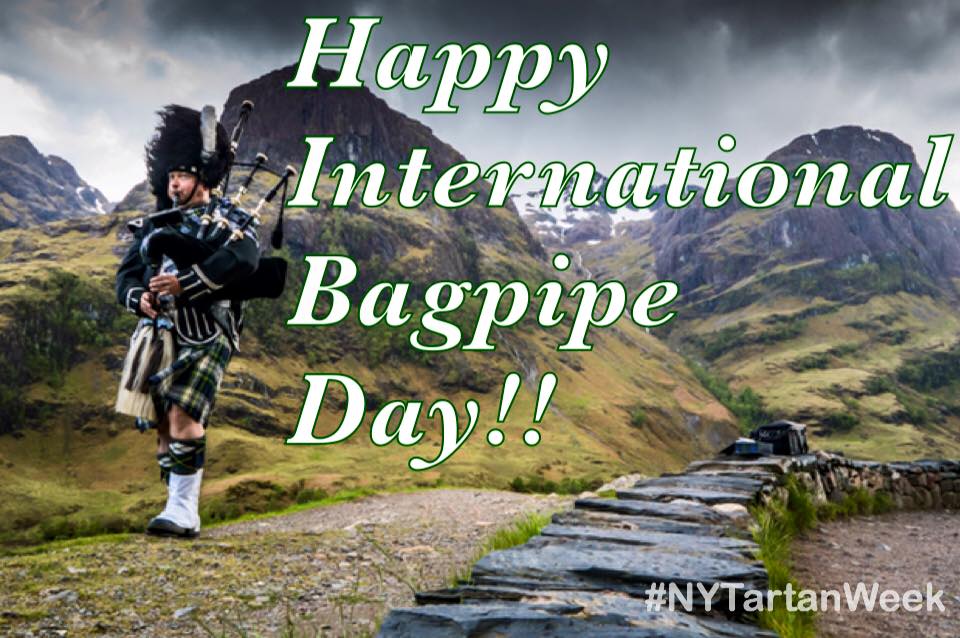
international-bagpipe


and

mario-day

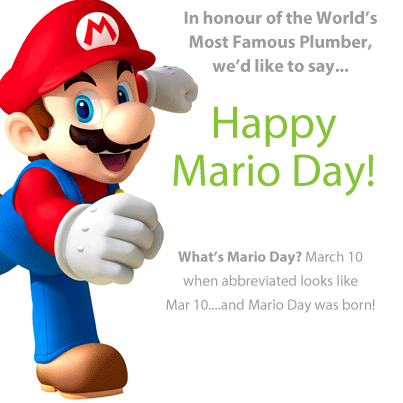
National Mario Day is observed each year on March 10th and honors Mario from the popular Nintendo game.
It is celebrated on March 10th because of the way the date appears, when abbreviated (Mar.10),  it looks just like the name Mario.

And
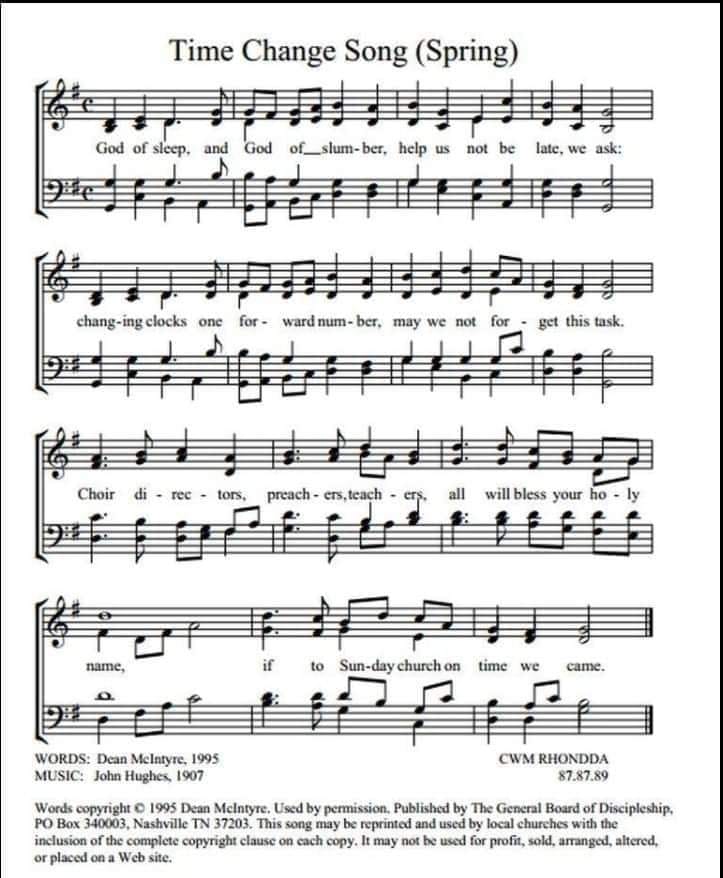
 

. 1832 ~ Muzio Clementi died.  He was an Italian-born English composer, pianist, pedagogue, conductor, music publisher, editor, and piano manufacturer.

. 1844 ~ Pablo de Sarasate, Spanish violinist

. 1879 ~ Ignaz Moscheles died.  He was a Bohemian composer and piano virtuoso.

. 1892 ~ Arthur Honegger, French composer
Read quotes by and about Honegger
More information about Honegger

1903 ~ “Bix” Beiderbecke, American jazz cornetist
More information about Beiderbecke

. 1910 ~ Carl Heinrich Carsten Reinecke, composer, died at the age of 85

. 1935 ~ Nelson Eddy recorded Ah! Sweet Mystery of Life for Victor Records. The song came from the film, “Naughty Marietta”. Later, Eddy recorded the classic tune with Jeanette MacDonald.

. 1937 ~ An audience of 21,000 jitterbuggers jammed the Paramount Theatre in New York City to see a young clarinetist whom they would crown, ‘King of Swing’ on this night. The popular musician was Benny Goodman.

. 1940 ~ W2XBS-TV in New York City originated the first televised opera as members of the Metropolitan Opera Company presented scenes from “I Pagliacci”.

. 1956 ~ Julie Andrews was 23 years old this night when she made her TV debut. She appeared with Bing Crosby and Nancy Olson in the musical adaptation of Maxwell Anderson’s play, “High Tor”.

. 1977 ~ E Power Biggs, English organist/composer (CBS), died at the age of 70

. 2003 ~ Lionel Dakers, who directed the Royal School of Church Music for 16 years, died at age 79. Dakers was a stickler for high musical standards and opposed some of the modernizing trends in English church music. Dakers was organist at Ripon Cathedral from 1954 to 1957, then moved to Exeter Cathedral before his appointment as director of the Royal School of Church Music in 1972. In 1976, he was appointed a director of Hymns Ancient & Modern, publisher of some of the most widely used Anglican hymnals.

. 2016 ~ Keith Emerson died.  He was an English keyboardist and composer with English rock musician Emerson, Lake & Palmer.

. 2017 ~ (Joan) Joni Sledge, vocalist (Sister Sledge “We are Family”), died at the age of 60

Daily Listening Assignments ~ June 1, 2020


Today, we start with Spring from the Four Seasons by Vivaldi.  Many OCMS students have played this already in one of their Piano Pronto books.  It’s also available in Piano Maestro.

If you have it in your piano book, today would be a great day to review it. (HINT – there might be a quick review at your next lesson!)

Vivaldi was born in Venice, Italy, March 4, 1678 and spent most of his life there. His father taught him to play the violin, and the two would often perform together.

He taught at an orphanage for girls and wrote a lot of music for the girls to play. People came from miles around to hear Vivaldi’s talented students perform the beautiful music he had written.

Many people think Vivaldi was the best Italian composer of his time. He wrote concertos, operas, church music and many other compositions. In all, Antonio wrote over 500 concertos.

His most famous set of concertos is The Four Seasons which is a group of four violin concerti.  Each of which gives a musical expression to a season of the year. They were written about 1721 and were published in 1725 in Amsterdam.

Here’s a piano version similar to the one in Movement 1 but in a different key.


And the original with Itzhak Perlman playing and conducting!

Want to play a version of this but aren’t using these books? Just ask!

In Piano Maestro: Vivaldi’s Spring

vivaldi


Vivaldi, one of the greatest baroque composers, has a very interesting story. He ran an orphanage in the 18th century in Italy that became famous all over the western world for its musically talented children. A lot of his pieces were written for specific children in his school. Vivaldi learned the violin from his father, and was trained as a priest. He was nicknamed “the red priest” for his red hair and was apparently somewhat sure of himself, having claimed once he can compose a concerto faster than it can be copied.

Vivaldi wrote over 500 pieces, most of which are lost today. He is considered one of the greatest musical landmarks in history, having inspired many composers that followed him, including J.S.Bach and others.

Other fun facts about Vivaldi can be found here.

Vivaldi’s Spring is available on Piano Maestro, which is available to my students free of charge.

August 25, 2019 ~ Daily Listening Assignment


Today is the last one!

The clever arranger has woven together 57 famous classical melodies by 33 composers. You’ve learned about most in the last 3 months.  How many can you identify?


Answers below


We didn’t listen to all these this summer.  For those we didn’t hear, the numbers after the title are the time you can hear the melody on the video clip.

1. Mozart Eine Kleine Nachtmusik K525 This first melody was on June 22

2. Haydn Symphony 94 “Surprise” II ~ You heard it here.

3. Beethoven Symphony 9 IV (Ode to Joy) ~  It was this day

4. Mendelssohn Wedding March in Midsummer Night’s Dream, second theme ~ June 12!

5. Dvorak Humoresque No.7  July 2

6. Wagner Lohengrin, Bridal Chorus Way back on June 10

7. Tchaikovsky Piano Concerto 1 0:19

8. Saint-Saens Carnival of Animals: Swan 0:19

9. Bach Well-Tempered Clavier Book 1 Prelude 1 0:19

10. Tchaikovsky 1812 Overture 0:29

11. Bach Cello Suite No. 1 0:32

12. Mendelssohn Song without Words “Spring” 0:33

13. Schubert Ave Maria 0:40

14. Schubert Symphony 8 “Unfinished” 0:46

15. Verdi “La Donna è Mobile” in Rigoletto 0:51

16. Boccherini String Quartet in E, Op.11 No.5, III. Minuetto 0:55

17. Beethoven Für Elise was June 20

18. CPE Bach Solfeggietto on July 10

19. Paganini Capriccio 24 1:11

20. Mozart Piano Sonata No.11 III (Turkish March) was on June 23

21. Grieg Piano Concerto 1:22

22. Mozart Requiem Lacrimosa 1:26

23. Schubert Serenade 1:30

24. Chopin Prelude in C minor 1:35

25. Strauss II Overture from Die Fledermaus (Bat) 1:46

26. Brahms 5 Lieder Op.49, IV. Wiegenlied (Lullaby) 1:46

27. Satie Gymnopedie 1:56

28. Debussy Arabesque 2:00

29. Holst Planets, Jupiter 2:05

30. Schubert Trout 2:14

31. Liszt Hungarian Rhapsody No.2  Fun with cartoons – and more!

32. Mozart Variation on Twinkle Twinkle Little Star (AND the Alphabet song)  Find it here.

33. Schumann Op.68, No.10 Merry Peasant 2:47

34. Schubert Military March in D 2:54

35. Bach* (could be Petzold) Minuet in G 3:00

36. Mozart Piano Sonata No.16 in C, K545 3:07

37. Offenbach Can-Can in “Orpheus in the underworld”  The Can-Can was on June 21

38. Beethoven Piano Sonata No.8 “Pathetique” II 3:18

39. Mozart Die Zauberflöte Overture  Find it here, on June 19

40. Tchaikovsky Romeo and Juliet Overture 3:31

18′. CPE Bach Solfeggietto 3:44

41. Beethoven Symphony 5 “Fate” Was on July 7

6′. Wagner Wedding March June 10

42. Rachmaninoff Prelude Op.3 No.2 in C# minor 3:53

18′. CPE Bach Solfeggietto 3:56

43. Chopin Piano Sonata No. 2 III. Funeral March 4:11

44. Williams Imperial March in Star Wars 4:19

45. Tchaikovsky Marche Slave 4:25

46. Smetana Ma Vlast II. Moldau 4:38

47. Tchaikovsky Nutcracker – Flower Waltz (not the main theme!) 4:45

48. Borodin Polovtsian Dances 4:45

49. Strauss II Blue Danube 4:58

50. Vivaldi Four Seasons I. Spring 5:03

51. Handel Messiah, Hallelujah 5:03

52. Handel The Entrance of the Queen of Sheba 5:08

53. Elgar Pomp and Circumstance Marches No. 1 Part of the Graduation post.

54. Pachelbel Canon in D.  It was June 18

55. Mozart Symphony No. 35 in D major (Haffner) K. 385, IV. Finale, Presto 5:27

56. Chopin Etude Op.25 No.9 in G flat, “Butterfly” 5:34

57. Bach Gavotte from French Suite No. 5 in G Major, BWV 816 5:42


Enjoy!


June 1, 2019 ~ Daily Listening Assignment


Today, we start with Spring from the Four Seasons by Vivaldi.  Many OCMS students have played this already in one of their Piano Pronto books.  It’s also available in Piano Maestro.

If you have it in your piano book, today would be a great day to review it. (HINT – there might be a quick review at your next lesson!)

Vivaldi was born in Venice, Italy, March 4, 1678 and spent most of his life there. His father taught him to play the violin, and the two would often perform together.

He taught at an orphanage for girls and wrote a lot of music for the girls to play. People came from miles around to hear Vivaldi’s talented students perform the beautiful music he had written.

Many people think Vivaldi was the best Italian composer of his time. He wrote concertos, operas, church music and many other compositions. In all, Antonio wrote over 500 concertos.

His most famous set of concertos is The Four Seasons which is a group of four violin concerti.  Each of which gives a musical expression to a season of the year. They were written about 1721 and were published in 1725 in Amsterdam.

Here’s a piano version similar to the one in Movement 1 but in a different key.


https://youtu.be/8TBxyvnVZp0

And the original with Itzhak Perlman playing and conducting!

https://youtu.be/TKthRw4KjEg

Want to play a version of this but aren’t using these books? Just ask!

Piano Maestro: Vivaldi’s Spring

vivaldi


Vivaldi, one of the greatest baroque composers, has a very interesting story. He ran an orphanage in the 18th century in Italy that became famous all over the western world for its musically talented children. A lot of his pieces were written for specific children in his school. Vivaldi learned the violin from his father, and was trained as a priest. He was nicknamed “the red priest” for his red hair and was apparently somewhat sure of himself, having claimed once he can compose a concerto faster than it can be copied.

Vivaldi wrote over 500 pieces, most of which are lost today. He is considered one of the greatest musical landmarks in history, having inspired many composers that followed him, including J.S.Bach and others.

Other fun facts about Vivaldi can be found here.

Vivaldi’s Spring is available on Piano Maestro, which is available to my students free of charge.

August 25 ~ Daily Listening Assignment


Today is the last one!

The clever arranger has woven together 57 famous classical melodies by 33 composers. You’ve learned about most in the last 3 months.  How many can you identify?


Answers below


We didn’t listen to all these this summer.  For those we didn’t hear, the numbers after the title are the time you can hear the melody on the video clip.

1. Mozart Eine Kleine Nachtmusik K525 This first melody was on June 22

2. Haydn Symphony 94 “Surprise” II ~ You heard it here.

3. Beethoven Symphony 9 IV (Ode to Joy) ~  It was this day

4. Mendelssohn Wedding March in Midsummer Night’s Dream, second theme ~ June 12!

5. Dvorak Humoresque No.7  July 2

6. Wagner Lohengrin, Bridal Chorus Way back on June 10

7. Tchaikovsky Piano Concerto 1 0:19

8. Saint-Saens Carnival of Animals: Swan 0:19

9. Bach Well-Tempered Clavier Book 1 Prelude 1 0:19

10. Tchaikovsky 1812 Overture 0:29

11. Bach Cello Suite No. 1 0:32

12. Mendelssohn Song without Words “Spring” 0:33

13. Schubert Ave Maria 0:40

14. Schubert Symphony 8 “Unfinished” 0:46

15. Verdi “La Donna è Mobile” in Rigoletto 0:51

16. Boccherini String Quartet in E, Op.11 No.5, III. Minuetto 0:55

17. Beethoven Für Elise was June 20

18. CPE Bach Solfeggietto on July 10

19. Paganini Capriccio 24 1:11

20. Mozart Piano Sonata No.11 III (Turkish March) was on June 23

21. Grieg Piano Concerto 1:22

22. Mozart Requiem Lacrimosa 1:26

23. Schubert Serenade 1:30

24. Chopin Prelude in C minor 1:35

25. Strauss II Overture from Die Fledermaus (Bat) 1:46

26. Brahms 5 Lieder Op.49, IV. Wiegenlied (Lullaby) 1:46

27. Satie Gymnopedie 1:56

28. Debussy Arabesque 2:00

29. Holst Planets, Jupiter 2:05

30. Schubert Trout 2:14

31. Liszt Hungarian Rhapsody No.2  Fun with cartoons – and more!

32. Mozart Variation on Twinkle Twinkle Little Star (AND the Alphabet song)  Find it here.

33. Schumann Op.68, No.10 Merry Peasant 2:47

34. Schubert Military March in D 2:54

35. Bach* (could be Petzold) Minuet in G 3:00

36. Mozart Piano Sonata No.16 in C, K545 3:07

37. Offenbach Can-Can in “Orpheus in the underworld”  The Can-Can was on June 21

38. Beethoven Piano Sonata No.8 “Pathetique” II 3:18

39. Mozart Die Zauberflöte Overture  Find it here, on June 19

40. Tchaikovsky Romeo and Juliet Overture 3:31

18′. CPE Bach Solfeggietto 3:44

41. Beethoven Symphony 5 “Fate” Was on July 7

6′. Wagner Wedding March June 10

42. Rachmaninoff Prelude Op.3 No.2 in C# minor 3:53

18′. CPE Bach Solfeggietto 3:56

43. Chopin Piano Sonata No. 2 III. Funeral March 4:11

44. Williams Imperial March in Star Wars 4:19

45. Tchaikovsky Marche Slave 4:25

46. Smetana Ma Vlast II. Moldau 4:38

47. Tchaikovsky Nutcracker – Flower Waltz (not the main theme!) 4:45

48. Borodin Polovtsian Dances 4:45

49. Strauss II Blue Danube 4:58

50. Vivaldi Four Seasons I. Spring 5:03

51. Handel Messiah, Hallelujah 5:03

52. Handel The Entrance of the Queen of Sheba 5:08

53. Elgar Pomp and Circumstance Marches No. 1 Part of the Graduation post.

54. Pachelbel Canon in D.  It was June 18

55. Mozart Symphony No. 35 in D major (Haffner) K. 385, IV. Finale, Presto 5:27

56. Chopin Etude Op.25 No.9 in G flat, “Butterfly” 5:34

57. Bach Gavotte from French Suite No. 5 in G Major, BWV 816 5:42


Enjoy!


June 1 ~ Daily Listening Assignment


Today, we start with Spring from the Four Seasons by Vivaldi.  Many OCMS students have played this already in one of their Piano Pronto books.  It’s also available in Piano Maestro.

If you have it in your piano book, today would be a great day to review it. (HINT – there might be a quick review at your next lesson!)

Vivaldi was born in Venice, Italy, March 4, 1678 and spent most of his life there. His father taught him to play the violin, and the two would often perform together.

He taught at an orphanage for girls and wrote a lot of music for the girls to play. People came from miles around to hear Vivaldi’s talented students perform the beautiful music he had written.

Many people think Vivaldi was the best Italian composer of his time. He wrote concertos, operas, church music and many other compositions. In all, Antonio wrote over 500 concertos.

His most famous set of concertos is The Four Seasons which is a group of four violin concerti.  Each of which gives a musical expression to a season of the year. They were written about 1721 and were published in 1725 in Amsterdam.

Here’s a piano version similar to the one in Movement 1 but in a different key.


https://youtu.be/8TBxyvnVZp0

And the original with Itzhak Perlman playing and conducting!

https://youtu.be/TKthRw4KjEg

Want to play a version of this but aren’t using these books? Just ask!