November 17 ~ in Music History

today

• 1726 ~ The first performance of J. S. Bach‘s Sacred Cantata No. 55 Ich armer Mensch, ich Sündenknecht on the 22nd Sunday following Trinity. Was part of Bach’s third annual Sacred Cantata cycle in Leipzig 1725-27

• 1848 ~ Frederic Chopin played his final piano concert at a Polish benefit ball at Guildhall in London.

• 1850 ~ Giuseppe Verdi‘s opera Stifellio was first performed at the Teatro Grande in Trieste despite difficulties with the censors which resulted in cuts and changes.

• 1861 ~ First Performance of Johannes Brahms Piano Quintet No. 1 in g, Op. 25, at a rehearsal in Hamburg, with pianist Clara Schumann.

• 1862 ~ The work noted above received its official premiere with members of the Hellmesberger Quartet; Brahms at the piano, in Vienna.

• 1870 ~ Alfred Hill, Australian composer

• 1876~ The first performance of Peter Ilyich Tchaikovsky‘s March Slav in Moscow.

• 1877 ~ The first production of Gilbert and Sullivan’s opera, The Sorcerer, was presented, in London.

• 1888~ The first production of Tchaikovsky‘s Fifth Symphony in St. Petersburg.

• 1891 ~ Poland’s premier and premier ivory tickler, Ignace Jan Paderewski, made his American debut at Carnegie Hall in New York City. In later years, Paderewski, who suffered from arthritis, settled in Paso Robles, CA. The hot mineral baths located there eased his pain. He played only Steinway grand pianos custom-built to his specifications. In fact, five were made just for his use.

• 1919 ~ Hershy Kay, composer/arranger (Olympic Hymn)

• 1925 ~ Sir Charles Mackerras, Australian conductor

• 1930 ~ David Amram, American composer and French-horn player

• 1938 ~ Gordon Lightfoot, Canadian folk singer, songwriter and guitarist

• 1938 ~ Orchestra leader Kay Kyser, speaking to an audience at the College of the City of New York (CCNY) told of the “inner workings and artistic features of swing music.” It marked the first of a series of lectures on swing music presented by Kyser, who went on to present The Kollege of Musical Knowledge on radio.

• 1941 ~ Gene Clark, Singer, guitar with The Byrds

• 1942 ~ Bob Gaudio, Singer with The Royal Teens; The Four Seasons

• 1946 ~ Martin Barre, Guitarist with Jethro Tull

• 1950 ~ Roberta Peters filled in for the lead in Mozart’s Don Giovanni, making her debut at the Metropolitan Opera in New York City. She would become one of the Met’s most famous stars.

• 1959 ~ Heitor Villa-Lobos, Brazilian composer/pianist/conductor, died at the age of 72

• 1962 ~ The 4 Seasons, with Frankie Valli as lead singer, began a five-week run at the top of the tunedex with Big Girls Don’t Cry.

• 1967 ~ Ronald DeVoe, Singer with New Edition

• 1970 ~ Elton John recorded an album live, on what was WABC-FM in New York City. It marked the first time that a concert was aired live and recorded for release as aired. The LP was titled, 11/17/70.

• 1981 ~ Bob Eberly died

• 2001 ~ Jerry Jerome, a tenor sax player who was a featured soloist with the bands of Glenn Miller and Benny Goodman, died of leukemia. He was 89. One of the big names in the Big Band era, Jerome was a featured soloist with the Glenn Miller, Benny Goodman, Red Norvo and Artie Shaw orchestras. He then became a successful musical director and conductor on radio and television. Jerome also established a music business, scoring and arranging commercial jingles. Three years ago, Arbors Records released Jerome’s “Something Old, Something New.” The sequel recording, “Something Borrowed, Something Blue,” will be released in December. Born in Brooklyn, N.Y., Jerome started playing the sax while in high school. He attended the University of Alabama and went on the medical school, playing gigs at jazz clubs to earn tuition money. He joined Goodman’s orchestra at the height of its popularity in 1938. When Goodman broke up his band in 1940, Jerome joined Shaw. While with Shaw, he appeared in the film “Second Chorus,” with Fred Astaire and Burgess Meredith.

• 2003 ~ Arthur Conley, a 1960s soul singer and protege of Otis Redding’s, died at his home in the town of Ruurlo, in the eastern Netherlands. He was 57. Conley was born in Atlanta and started his recording career in 1959 as leader of the group Arthur and the Corvets. He was best known for his 1967 hit, Sweet Soul Music, which he co-wrote with Redding based on a number by Sam Cooke. Conley had several minor hits in the following two years. He moved to Europe in the early 1970s after several tours of the continent, deciding that he was “fed up with the pressure” in the United States, said Giesen. In the Netherlands, Conley appeared on television and radio, and ran an independent record label. In the last five years he was an adviser to The Original Sixties R&B and Soul Show, which sought to reproduce the sound and look of the heyday of soul.

• 2018 ~ Cyril Pahinui, a nationally recognized Hawaiian guitarist and singer who preserved and extended the tradition of slack-key guitar, died at the age of 68

November 3 ~ in Music History

today


.1587 ~ Samuel Scheidt, German organist and composer

.1801 ~ Vincenzo Bellini, Italian composer

OCMS 1911 ~ Vladimir Ussachevsky, Russian-born American composer
More information about Ussachevsky

.1933 ~ John Barry, Academy Award~winning composer

.1941 ~ The classic Jerry Gray arrangement of String of Pearls was recorded by the Glenn Miller Orchestra on Bluebird 78s. The recording featured the trumpet of Bobby Hackett.

.1948 ~ Lulu (Marie McDonald McLaughlin Lawrie), Singer. She changed her name to Lulu (and The Luvvers) in Scotland, early in her career. Married to singer Maurice Gibb

.1954 ~ Adam Ant (Stuart Goddard), Singer

.1956 ~ The classic MGM film, The Wizard of Oz, was first seen on television. The film cost CBS $250,000 to show. The movie was shown 18 times between 1956 and 1976, and you can probably catch it again no matter what year it is.

.1957 ~ Sam Phillips, owner of legendary Sun Records in Memphis, TN, released Great Balls of Fire, by Jerry Lee Lewis. Looking carefully at the original label, one will find credit to Lewis and “his pumping piano.”

.1960 ~ James Prime, Keyboards with Deacon Blue

.1960 ~ “The Unsinkable Molly Brown”, opened on Broadway. The play would become an American theater standard and a smashing career launch for Shirley MacLaine.

.1962 ~ Billboard magazine dropped the “Western” from its chart title. The list has been known as Hot Country Singles ever since.

.1972 ~ Singers Carly Simon and James Taylor were married in Carly’s Manhattan apartment. The couple was said to be the highest-paid couple in the world next to Elizabeth Taylor and Richard Burton. Carly and ‘Sweet Baby’ James would divorce years later, but they are still good friends.

.1990 ~ Mary Martin died

.2000 ~ Mary Hunter Wolf, one of the first female directors on Broadway died at the age of 95. Wolf made her Broadway debut directing the 1944 production of Horton Foote’s “Only the Heart.” The following year, she directed the first black Broadway musical, “Carib Song.” After directing a string of successful plays and musicals, Wolf was hired as an associate director for Jerome Robbins’ “Peter Pan,” starring Mary Martin. In 1947 Wolf was tapped to direct a new musical “High Button Shoes,” but was dismissed by the show’s producers before rehearsals began. Wolf sued, charging that her contract had been broken because she was a woman. Two years later the New York Supreme Court ruled in her favor. During her third year at Wellesley College, Wolf visited her aunt, author Mary Austin, in Santa Fe, N.M. where she found herself introduced into the circle of D.H Lawrence, Willa Cather and Sinclair Lewis. She soon abandoned her studies to pursue a directing career.

Just in Time for Halloween: Toccata and Fugue in d minor by J.S Bach

toccata-d-minor


Johann Sebastian Bach’s towering monument of organ music, with its deep sense of foreboding, will forever be associated with Halloween.

Get a free copy of the sheet music at IMSLP or borrow a copy from the O’Connor Music Studio.  I have this arranged for organ, piano, duet, 2-piano, simplified…

If you want this in a book with other Bach transcriptions, amazon has this: Toccata and Fugue in D Minor and the Other Bach Transcriptions for Solo Piano, arranged by Ferruccio Busoni.

Here, Virgil Fox performs it on his Allen Digital Touring Organ.


Diane Bish plays the Massey Memorial Organ at the Chautauqua Institution and talks about this instrument.


And, the most fun…

Just in Time for Halloween: Funeral March of a Marionette by Charles Gounod

funeral

The Funeral March of a Marionette (Marche funèbre d’une marionnette) is a short piece by Charles Gounod. It was written in 1872 for solo piano and orchestrated in 1879. It is perhaps best known as the theme music for the television program Alfred Hitchcock Presents, which originally aired from 1955 to 1965.

In 1871-72, while residing in London, Gounod started to write a suite for piano called “Suite Burlesque”. After completing one movement, the Funeral March of a Marionette, he abandoned the suite and had the single movement published by Goddard & Co. In 1879 he orchestrated the piece. The instrumentation is: piccolo, flute, 2 oboes, 2 clarinets in A, 2 bassoons, 2 horns in D, 2 trumpets in A, 3 trombones, ophicleide, timpani, bass drum, triangle, strings. The work is in the key of D minor, with a central section in D major. Various arrangements by other hands exist.

There is a program underlying the Funeral March of a Marionette: The Marionette has died in a duel. The funeral procession commences (D minor). A central section (D major) depicts the mourners taking refreshments, before returning to the funeral march (D minor).
The score contains the following inscriptions in appropriate places:

La Marionnette est cassée!!! (The Marionette is broken!!!)
Murmure de regrets de la troupe (Murmurs of regret from the troupe)
Le Cortège (The Procession)
Ici plusieurs des principaux personnages de la troupe s’arrêtent pour sa rafrâichir (Here many of the principal personages stop for refreshments)
Retour a la maison (Return to the house). (Wikipedia)

Download this music in several versions from IMSLP.  Click on Arrangements and Transcriptions.  There are also some arrangements for piano at the O’Connor Music Studio.

On Alfred Hitchcock:

From Faber Piano Adventures Performance Book Level 3B No.7 (Also available in the OCMS Library):

Piano 4-hands:

With animation:

On organ:

Mannheim Steamroller:

And, finally, a light show!

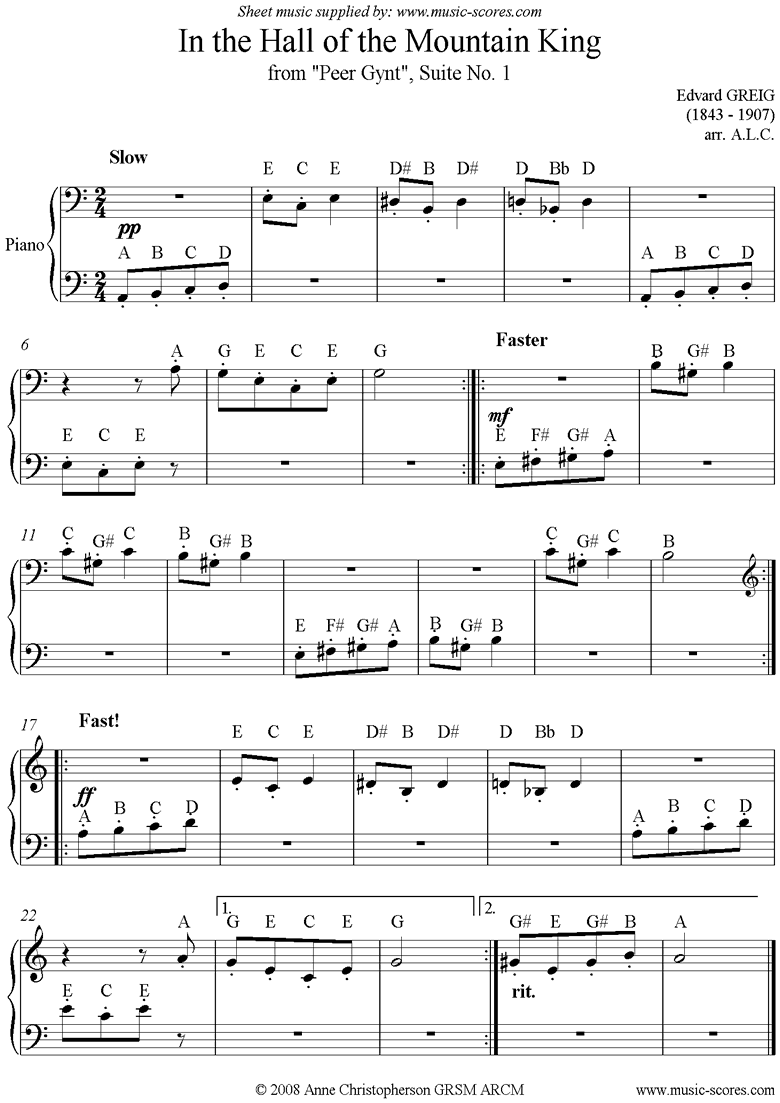
Just in Time for Halloween: In the Hall of the Mountain King by Edvard Grieg

hall-mountain


“In the Hall of the Mountain King” is a piece of orchestral music composed for the sixth scene of act 2 in Henrik Ibsen’s 1867 play Peer Gynt. It was originally part of Opus 23 but was later extracted as the final piece of Peer Gynt, Suite No. 1, Op. 46. Its easily recognizable theme has helped it attain iconic status in popular culture, where it has been arranged by many artists, including for the piano.

Borrow a copy of the sheet music from the O’Connor Music Studio.  I have this arranged for piano, duet, 2-piano, simplified…


8 part vocal orchestra (plus a tiny pair of cymbals)


Pianist Paul Barton


Solo piano sheet music – Video Score


Orchestral version

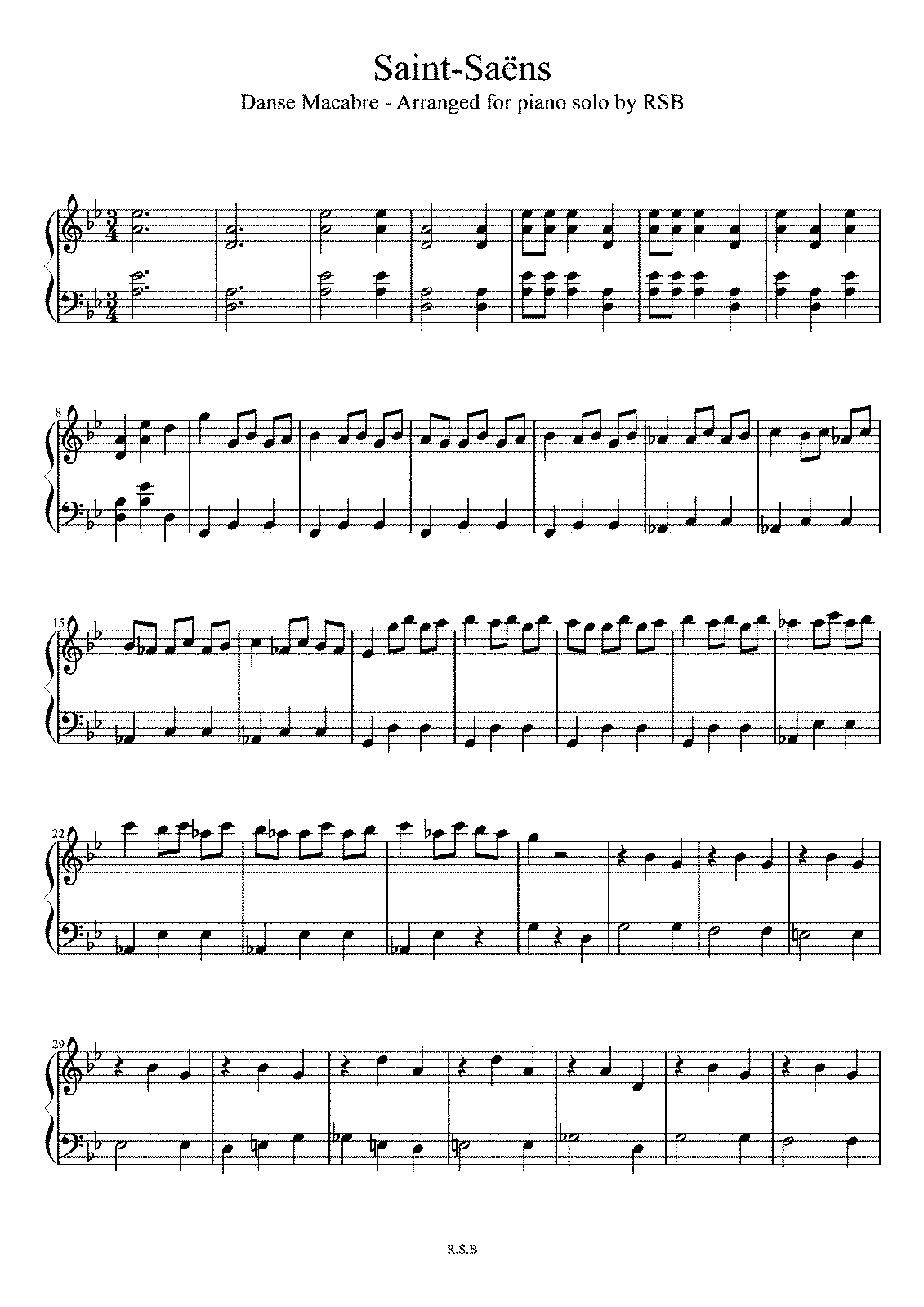
Just in Time for Halloween: Danse Macabre by Camille Saint-Saëns

danse-macabre

Danse macabre, Op. 40, is a tone poem for orchestra, written in 1874 by French composer Camille Saint-Saëns. It started out in 1872 as an art song for voice and piano with a French text by the poet Henri Cazalis, which is based on an old French superstition. In 1874, the composer expanded and reworked the piece into a tone poem, replacing the vocal line with a solo violin.

Get a free copy of the sheet music at IMSLP (Look for Arrangements and Transcriptions) or borrow a copy from the O’Connor Music Studio.  I have this arranged for organ, piano, duet, simplified…

Amazon has a great Dover edition for solo piano.  This splendid compilation features a variety of the composer’s best piano works, all reproduced from authoritative sources. Taking its title from the popular orchestral work “Danse Macabre” (presented here in the brilliant arrangement by Liszt), this collection also includes “Allegro appassionato,” “Album” (consisting of six pieces), “Rhapsodie d’Auvergne,” “Theme and Variations,” plus six etudes, three waltzes, and six etudes for left hand alone.

This video originally aired on PBS in the 1980s:


For two pianos:


Piano Tutorial:


Orchestra:

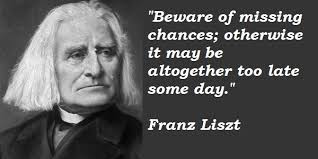
Franz Liszt’s Birthday!

liszt-quote

Franz Liszt was born in Raiding, near Ödenburg, October 22, 1811 and died in Bayreuth, July 31, 1886. He was a Hungarian composer and pianist who was a major influence during the romantic period. Liszt was an outstanding pianist at seven, composed at eight and made concert appearances at nine. In addition to being a piano virtuoso, he was also a critic, conductor, city music director, literary writer and transcriber of the works of other composers. He transcribed Beethoven’s Symphonies for the piano.

Franz Liszt began his career as the outstanding concert pianist of the century, who, along with the prodigious violinist Niccoló Paganini (1782-1840), created the cult of the modern instrumental virtuoso. To show off his phenomenal and unprecedented technique, Liszt composed a great deal of music designed specifically for this purpose, resulting in a vast amount of piano literature laden with dazzling, and other technical marvels. In this vein, Liszt composed a series of virtuosic rhapsodies on Hungarian gypsy melodies, the best-known being the all too familiar Hungarian Rhapsody no. 2. Liszt developed the rhapsody as a form of serious music. This kind of music is worlds apart from the generally more introspective, poetic music of pianist-composer Frédéric Chopin.

Liszt was wildly handsome and hugely talented. He was extremely popular in Paris during the 1830’s. It is said that women actually fainted at his piano recitals. He was the first to position the piano so that its lid reflected the sound and the audience could see his profile as he performed.

Liszt was the first to write a tone poem, which is an extended, single-movement work for orchestra, inspired by paintings, plays, poems or other literary or visual works, and attempting to convey the ideas expressed in those media through music. Such a work is Les Préludes, based on a poem in which life is expressed as a series of struggles, passions, and mysteries, all serving as a mere prelude to . . .what? The Romantic genre of the symphonic poem, as well as its cousin the concert overture, became very attractive to many later composers, including Saint-Saëns, TchaikovskyDvorák, Sibelius, and Richard Strauss.


     Liszt’s birthday

     anniversary of Liszt’s death

    Listen to Liszt’s transcription of Meyerbeer’s Hellish Waltz from Robert du Diable, which probably caused more public commotion than any other piano piece in history.


     Read quotes by and about Liszt

     Liszt was the first recitalist

     In Praise of Pianos and the Artists Who Play Them

     History of the Piano

     Franz Liszt

Fall LIstening and Coloring Pages


I have purchased a set of Shades of Sound Listening & Coloring Book: Halloween for the studio.

Each week, I will print out some of the pages for your student and put them in his/her notebook.  After listening to the music on YouTube, the student may color the pages.

After they are colored, please return them to the notebook so that there will be a complete book when finished.

If you are an adult and want to listen and color, too, just let me know and I’ll print you a set.

From the website:

The Shades of Sound Listening and Coloring Books are a great way to encourage students to listen to great piano and orchestral repertoire. Students of all ages will love coloring the fun pictures while listening to and learning from the music of the great composers.

This Shades of Sound Halloween edition includes 13 spooky pieces of piano and orchestral literature, ranging from the Baroque to the Modern period. By spending just 5-10 minutes per day listening for just a few days per week, students can listen to and complete the whole book in a few weeks.

Aspiring pianists need to know the literature, hear the greats perform, and be inspired and excited by the great music that is available! Just as writers need to read, read, read, pianists need to listen! Through this fun curriculum, students will learn about the musical periods and the great composers and their works. Listening repertoire selected includes selections from the standard solo piano literature, as well as solo piano and orchestra literature and orchestral works.

My hope is that students can add just 5-10 minutes of listening per day to their normal practicing. Listening to great music will change their understanding of music and will vastly increase their music history knowledge. It will excite and inspire them, encourage further study and listening, give them new pieces to add to their own repertoire wish list, infuse more great music into their lives, homes and families, and will boost their musicianship and expression to the next level.

The Halloween Shades of Sound book includes 13 different pieces, including:

  • Totentanz by Liszt
  • Le Cimetiere, from Clairs de Lune by Abel Decaux
  • Graceful Ghost Rag by William Bolcom
  • Night on Bald Mountain by Mussorgsky/Rimsky-Korsakov
  • Tarantelle, from Music for Children Op. 65 No. 4 by Prokofiev
  • Tarantella by Albert Pieczonka
  • In the Hall of the Mountain King by Grieg
  • Toccata and Fugue in D minor, BWV 565 by Bach
  • Funeral March, from Piano Sonata No. 2 in B-flat minor by Chopin
  • Danse Macabre by Saint-Saens
  • The Banshee by Henry Cowell
  • Scarbo, from Gaspard de la nuit by Ravel
  • The Sorcerer’s Apprentice by Paul Dukas

Students may use The Playful Piano – Halloween Listening YouTube playlist to listen along with their book using quality recordings. The playlist is ordered to go right along with the book, and also includes 5 extra pieces (some pages include optional “Further Listening” examples students may listen to).


Day 3: 40 Days of Thankfulness

ocms-logo


Today, since it’s a “teaching day”, I’m thankful for my piano studio, my students, and my piano 🙂


When I was growing up, my dad was a minister, meaning we lived in whatever parsonage the church chose to let us live in.  The one we had in Pawcatuck, CT had an upright piano that someone had put out in the sunroom.  Not the best place for a piano, but I digress.

Since we had the piano already, someone – probably my mom – decided that I would take lessons.  We had the organist from the Baptist church just across the river in Westerly, RI

Apparently, Clara Pashley was fondly remembered at the church (now Central Baptist Church) since she was mentioned in an article from 2010.


screenshot-2016-11-04-10-04-33
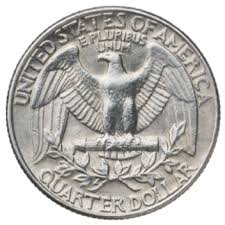
25-centsMiss Pashley walked to our house each week and taught me (and my mom who was always listening in) piano for the grand sum of 25 cents.

I started with Ada Richter’s classic Teaching Little Fingers to Play, which has now been morphed into the John Thompson library.

From there, it was the Michael Aaron series, and some sheet music.

There was no music store in our town, so I have no idea where any of this music came from – but I still have it all.

My parents did very well for their quarter a week investment, especially since my mom paid good attention and was able to beef up lessons she’d had as a child.  Later on, she played well enough that she was church organist for a local Roman Catholic Church.

But I digress…

In those days, kids couldn’t do a whole lot of activities, so in 6th grade, I decided I wanted to be a Girl Scout.  Bye, bye Clara.

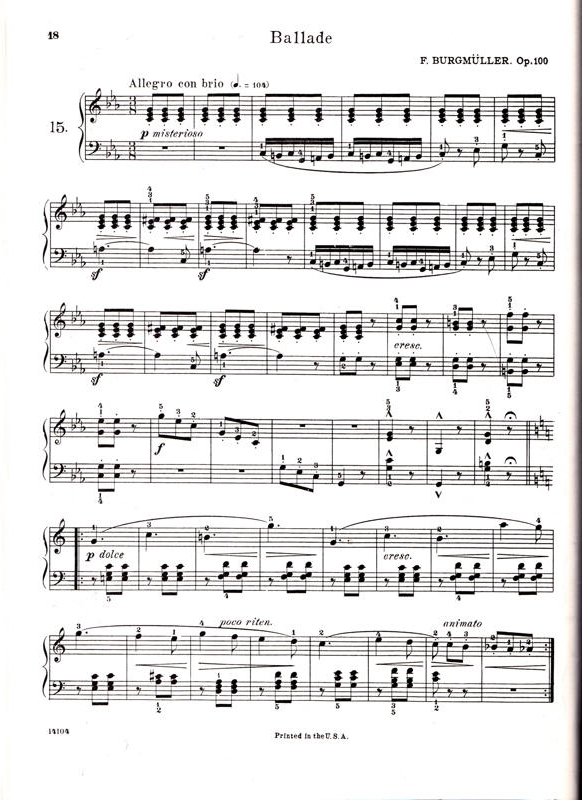
Girl Scouts didn’t last long but I did play piano in a talent show.  I remember, I carefully cut Burgmüller’s Ballade out of my Michael Aaron book and made a nice construction paper cover.  (I still have this, too)

balladeburgmuller


I doubt that I played this well but here’s what it was supposed to sound like:


A few years intervened and we moved to Springfield, MA.  The parsonage piano there was in terrible shape and in the dark, never-used basement.  But I decided to make it mine and cleared up the area around it and started “practicing”.

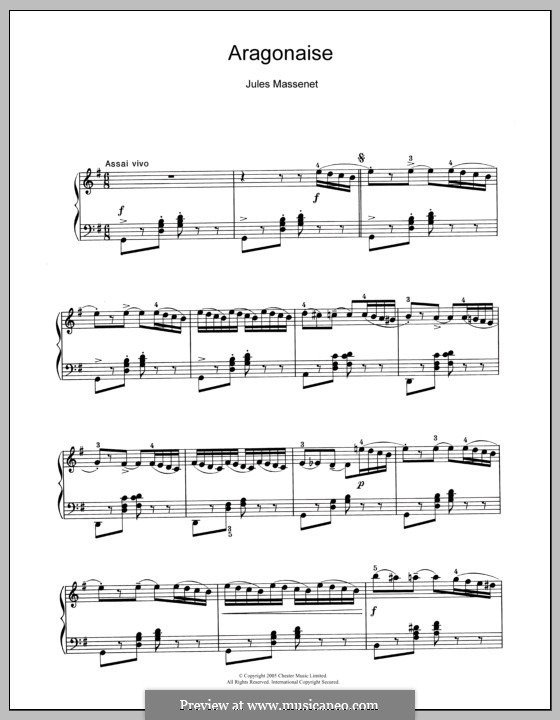
My Junior or Senior year of High School I decided I wanted to major in music in college.  I decided to learn, on my own, a piano arrangement of Aragonnaise by Jules Massenet.  I have no idea why or where that sheet music came from but I started working furiously on this piece.

aragonnaise

Hopefully, at some point, it should have sounded like this:


I started pedaling (no pun intended!) my music to the Universities of Connecticut and Massachusetts and ended up at UMass Amherst since we were state residents.

Early morning gym classes (usually swimming), then wet hair traipsing across campus to music theory in winter 5 days a week.  AARRGGH!

But I stuck it out.

My wonderful piano teacher, Howard Lebow, was killed in a car accident my sophomore year and I was devastated.  There was about him in a post on January 26, 2018 here: https://atomic-temporary-44596882.wpcomstaging.com

I took yet another break from piano lessons – but I kept playing.

After DH graduated, we moved to Milwaukee, WI for his graduate school.  Besides working 2 jobs, I found time to commandeer the practice rooms at the University of Wisconsin.  I also found a teacher at the Schaum School of Music.  She was amazed that I had no piano at home to practice on.

When we later moved to Alexandria, VA my DH gave me a choice of new car or piano. So, I found a used piano.  The owner had acquired it in a divorce and wanted it gone.  Yesterday.  She even paid to move it out of her apartment.

The new-to-me piano took up half our living room.  When my parents came to visit, their feet were under my piano as they slept on cots.

I found yet another new piano teacher and she is still my best friend to this day.

That piano moved to several locations before I bought a brand new Yamaha grand piano.  The movers accidentally brought in the wrong one and I made them return it.  The people who lived in an apartment were probably unhappy when they had to return my piano and take their own new baby grand back.

I started teaching as a traveling piano teacher in Silver Spring, Maryland.  I continued that in Wilmington, DE.

When we got to Fairfax, VA I decided no more traveling.  Students would come to me.  And so they have since 1973.

What is supposed to be our living room is filled with music books, electric keyboards, the grand piano, 2 organs, 2 violins, 2 clarinets, a hand-made (by me!) dulcimer and other musical “stuff”.

Piano playing has gotten me through the worst times of my life.  Teaching has been a lifeline for me, as well.

I am so thankful for the students who have stayed with me over the years.


Simply Piano Teaches You Piano

Simply-Piano


iOS: Learning to play the piano can be difficult, and even moreso if you don’t have someone there to help you fix your errors and learn good tempo. Simply Piano can do both of those things, and all it takes is your iPhone or iPad. Best of all, it’s free.

Like many “piano-learning” apps, Simply Piano teaches you various pieces of music by essentially displaying sheet music in front of you to play, guiding you to the right keys on your piano or keyboard, and showing you the right order in which to press them and when — that’s all great, and not terribly unique, even if it works well. Where the app shines however is its listening feature. Simply put the phone down near the keyboard, and Simply Piano will “listen” to you play.

As you play, the app identifies what you’re playing and gives you feedback on how to improve. Maybe you need to pick up the tempo, or maybe you missed a few notes here or there — whatever it is, the app can give you a few tips, and encourages you to try again, all while it listens and tries to help.

Simply Piano is free, and available now. It comes bundled with a ton of songs to learn (including classical and pop songs you’ll probably recognise), and is geared to all skill levels — and keyboard types, so you don’t need a fancy piano just to use the app, any keyboard will do. Hit the link below to try it out.

Simply Piano (Free) [iTunes App Store via JoyTunes]

From http://www.lifehacker.com.au/2015/10/simply-piano-teaches-you-piano-listens-and-corrects-your-mistakes/