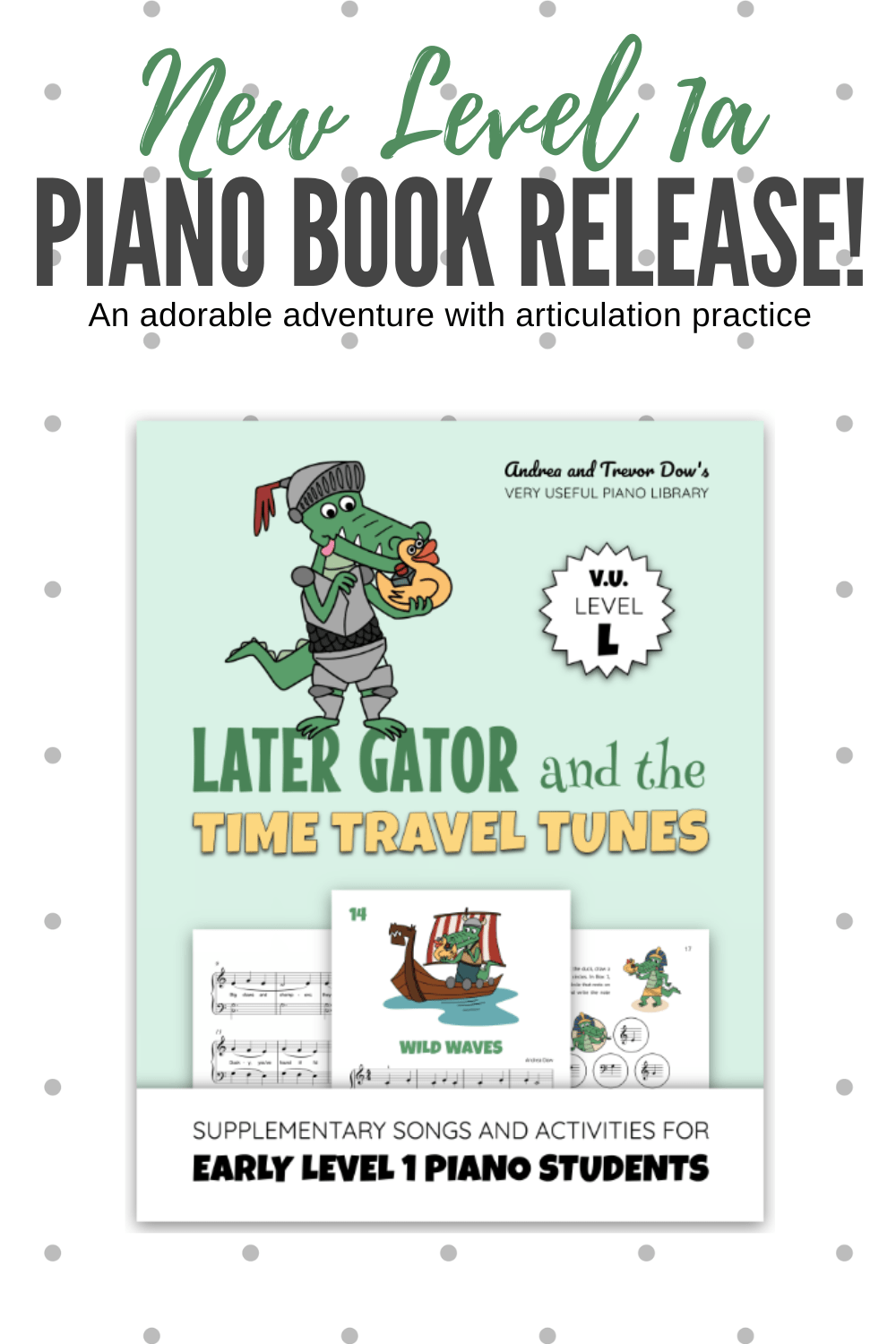
An Early Level 1 Piano Book For End-Of-Year Success
In Later Gator and the Time Travel Tunes, a lonely alligator stumbles upon a squeaky duck and suddenly finds himself zipping through time on a wild and hilarious adventure.
From dinosaur stomping grounds to medieval castles, ancient Egyptian pyramids to Viking voyages, your students will tag along with Gator while reinforcing key piano skills:
C 5-finger scales
Hands-together coordination
Staccato and legato articulation
Introductory left-hand accompaniments
This early level 1 piano book is designed to keep lessons exciting while targeting the exact skills students need at this crucial stage.
It’s a story-driven approach that turns essential early learning into an irresistible experience — exactly what students need when attention spans are pulled in a dozen directions.
As always, O’Connor Music Studio students are provided with all books at no charge as appropriate. Later Gator and the Time Travel Tunes is also available on amazon.
Practice slowly in the beginning (metronome on 60 or less). If you played it easily, and precisely with the metronome, move the tempo up one notch. Continue to practice in this way until you reach your goal speed.
Practice with various dynamics. Practice soft, loud and everything in between.
As you practice, vary the touch. Play staccato, play legato, and play two-note slurs.
Practice in different rhythms.
Try to practice Hanon Exercises in other keys, starting with the white keys (C, D, E, F, G, A, and B) and then going to the black keys (D-flat, E-flat, G-flat, A-flat, and B-flat).
And as Charles-Louis Hanon recommends it, practice his exercises by lifting the fingers high and with precision, playing each note very distinctly.
Practice slowly in the beginning (metronome on 60 or less). If you played it easily, and precisely with the metronome, move the tempo up one notch. Continue to practice in this way until you reach your goal speed.
Practice with various dynamics. Practice soft, loud and everything in between.
As you practice, vary the touch. Play staccato, play legato, and play two-note slurs.
Practice in different rhythms.
Try to practice Hanon Exercises in other keys, starting with the white keys (C, D, E, F, G, A, and B) and then going to the black keys (D-flat, E-flat, G-flat,A-flat, and B-flat).
And as Charles-Louis Hanon recommends it, practice his exercises by lifting the fingers high and with precision, playing each note very distinctly.
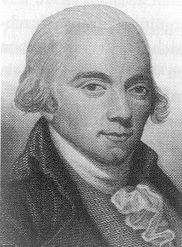
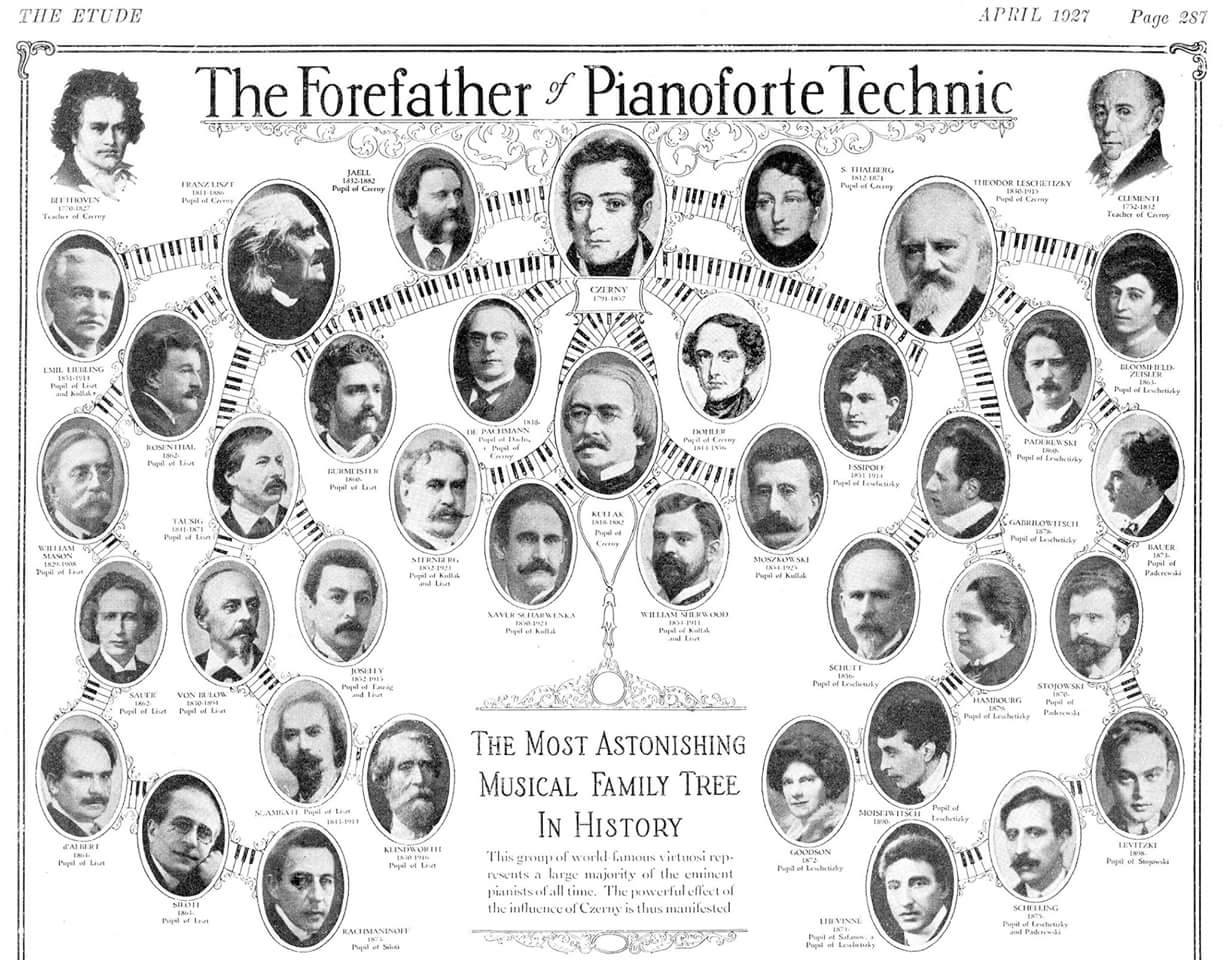
Clementi was an Italian-born English composer, pianist, pedagogue, conductor, music publisher, editor, and piano manufacturer. Born in Rome, he spent most of his life in England.
Encouraged to study music by his father, he was sponsored as a young composer by Sir Peter Beckford who took him to England to advance his studies. Later, he toured Europe numerous times from his long-time base in London. It was on one of these occasions in 1781 that he engaged in a piano competition with Wolfgang Amadeus Mozart.
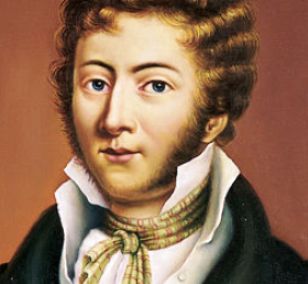
His student John Field would become a major influence on Frédéric Chopin
In 1802, Clementi and Field embarked on a European tour together. They went to Paris, Vienna and St. Petersburg.
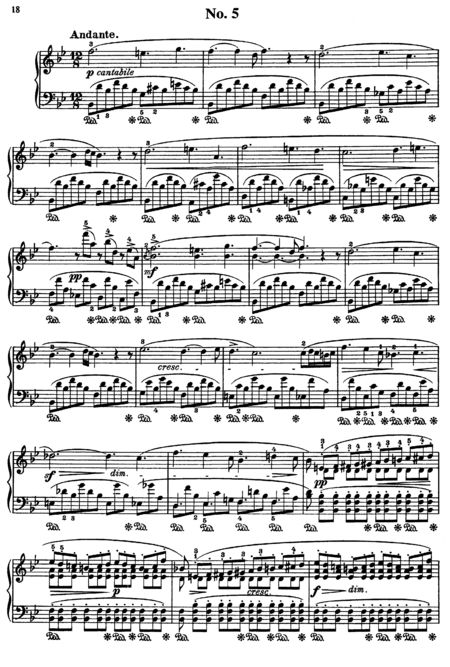
John Field adopted the French word nocturne, meaning “of the night” and became the first composer to use this term in music. He wrote a series of short studies for solo piano which had a gently romantic late-night feeling about them.
Chopin soon took up this idea and wrote 21 nocturnes.
Compare: Field’s Nocturne No. 5 in B flat major
Chopin’s Nocturne E Flat Major Op.9 No.2 played by Valentina Lisitsa
Today, in 1837, Clementi’s student John Field died. Field was an Irish pianist, composer, and teacher. He was very highly regarded by his contemporaries and his playing and compositions influenced many major composers, including Frédéric Chopin, Johannes Brahms, Robert Schumann, and Franz Liszt.
Practice slowly in the beginning (metronome on 60 or less). If you played it easily, and precisely with the metronome, move the tempo up one notch. Continue to practice in this way until you reach your goal speed.
Practice with various dynamics. Practice soft, loud and everything in between.
As you practice, vary the touch. Play staccato, play legato, and play two-note slurs.
Practice in different rhythms.
Try to practice Hanon Exercises in other keys, starting with the white keys (C, D, E, F, G, A, and B) and then going to the black keys (D-flat, E-flat, G-flat,A-flat, and B-flat).
And as Charles-Louis Hanon recommends it, practice his exercises by lifting the fingers high and with precision, playing each note very distinctly.