.1922 ~ Paul Rovsing Olsen, Danish composer, ethnomusicologist and music critic
.1922 ~ Anthony Vazzana, American composer
.1938 ~ Harry Elston, Musician with Friends of Distinction
.1938 ~ You’re a Sweet Little Headache, from the movie “Paris Honeymoon”, was recorded by Bing Crosby on Decca.
.1940 ~ Delbert McClinton, Songwriter, singer
.1947 ~ Mike Smith, Musician, saxophone
.1954 ~ Florence Henderson, who was all of 20 years old, joined with Ezio Pinza and Walter Slezak in “Fanny”. The show lit up Broadway 888 times.
.1962 ~ Bob Dylan gave his first major concert outside of Greenwich Village. The Carnegie Hall solo appearance was not well attended.
.1963 ~ The Beatles played a Royal Command Performance as part of an evening of entertainment for Queen Elizabeth at the Prince of Wales Theatre in London. David Frost was the emcee.
.2000 ~ Vernel Fournier, who was a drummer for premier jazz acts such as CharlieParker and Dizzy Gillespie, passed away after suffering an aneurysm. He was 72. Fournier, a New Orleans native, took lessons from a Bourbon Street drummer and as a teen played in New Orleans. He performed with jazz singers including Nancy Wilson and Billy Eckstine. He moved from New York City, where he lived for more than 30 years, to Madison County in 1998.
I have loved this version of Sleigh Ride since I first saw it on YouTube:
When I found out it was available in sheet music, I rushed to amazon to buy several copies for myself, my son, my friend, basically everyone I thought could play it.
Leroy Anderson’s “Sleigh Ride” is a holiday favorite, and this setting for advanced piano duet gives it a fresh twist. It begins with Anderson’s jingling melody and some musical “banter” between the Primo and Secondo players, and then it launches into a series of variations which take the listener on a journey through a variety of styles—from gently swirling, impressionistic arpeggios to a triumphant coda with brilliant, virtuosic passagework. Audiences will enjoy a number of other musical surprises along the way.
If you want to borrow it, let me know early because someone at the studio may already be playing it!
.1587 ~ Samuel Scheidt, German organist and composer
1801 ~ Vincenzo Bellini, Italian composer
1911 ~ Vladimir Ussachevsky, Russian-born American composer
More information about Ussachevsky
.1933 ~ John Barry, Academy Award~winning composer
.1941 ~ The classic Jerry Gray arrangement of String of Pearls was recorded by the Glenn Miller Orchestra on Bluebird 78s. The recording featured the trumpet of Bobby Hackett.
.1948 ~ Lulu (Marie McDonald McLaughlin Lawrie), Singer. She changed her name to Lulu (and The Luvvers) in Scotland, early in her career. Married to singer Maurice Gibb
.1954 ~ Adam Ant (Stuart Goddard), Singer
.1956 ~ The classic MGM film, The Wizard of Oz, was first seen on television. The film cost CBS $250,000 to show. The movie was shown 18 times between 1956 and 1976, and you can probably catch it again no matter what year it is.
.1957 ~ Sam Phillips, owner of legendary Sun Records in Memphis, TN, released GreatBalls of Fire, by Jerry Lee Lewis. Looking carefully at the original label, one will find credit to Lewis and “his pumping piano.”
.1960 ~ James Prime, Keyboards with Deacon Blue
.1960 ~ “The Unsinkable Molly Brown”, opened on Broadway. The play would become an American theater standard and a smashing career launch for Shirley MacLaine.
.1962 ~ Billboard magazine dropped the “Western” from its chart title. The list has been known as Hot Country Singles ever since.
.1972 ~ Singers Carly Simon and James Taylor were married in Carly’s Manhattan apartment. The couple was said to be the highest-paid couple in the world next toElizabeth Taylor and Richard Burton. Carly and ‘Sweet Baby’ James would divorce years later, but they are still good friends.
.2000 ~ Mary Hunter Wolf, one of the first female directors on Broadway died at the age of 95. Wolf made her Broadway debut directing the 1944 production of Horton Foote’s “Only the Heart.” The following year, she directed the first black Broadway musical, “Carib Song.” After directing a string of successful plays and musicals, Wolf was hired as an associate director for Jerome Robbins’ “Peter Pan,” starring Mary Martin. In 1947 Wolf was tapped to direct a new musical “High Button Shoes,” but was dismissed by the show’s producers before rehearsals began. Wolf sued, charging that her contract had been broken because she was a woman. Two years later the New York Supreme Court ruled in her favor. During her third year at Wellesley College, Wolf visited her aunt, author Mary Austin, in Santa Fe, N.M. where she found herself introduced into the circle of D.H Lawrence, Willa Cather and Sinclair Lewis. She soon abandoned her studies to pursue a directing career.
.1955 ~ The first pop song by Julie London appeared on the charts. London’s smoky and sultry rendition of Cry Me a River stayed on the pop chart for five months, reaching as high as #9. Julie was Mrs. Jack Webb (Dragnet) and Mrs. Bobby Troup (songwriter, trumpeter).
.1958 ~ Billboard magazine introduced a new chart. It ranked the top singles in order, from number 1 to 100. Previously, only 30 records had been on the weekly hit list.
.1963 ~ After giving benefit performances for years, singer Kate Smith presented her first full concert performance to a paying crowd at Carnegie Hall in New York City.
1968 ~ Another biggie for Stevie Wonder went on sale. For Once in My Life reached #2 on the pop charts on December 28, 1968.
.1974 ~ The first of the former Beatles to try a nationwide concert tour was in Los Angeles, appearing at the Forum. Unfortunately, only half the house was filled to see George Harrison. He stopped touring soon thereafter.
.1985 ~ On this day, for only the second time, a TV soundtrack LP topped the album charts. “Miami Vice” (title track by Jan Hammer) enjoyed a run of 11 (nonconsecutive) weeks. The only other TV soundtrack LP to chart at #1 was HenryMancini’s “Peter Gunn” in 1959.
.1944 ~ Keith Emerson, Keyboards with Emerson, Lake & Powell as well as Emerson, Lake & Palmer
.1944 ~ Chris Morris, Guitarist with Paper Lace
.1945 ~ Rick Grech, Bassist, violinist
.1950 ~ Dan Peek, Guitarist, singer with America
.1951 ~ Ronald Bell, Saxophone with Kool & The Gang
.1957 ~ Lyle Lovett, Grammy Award-winning singer, Best Male Country Vocal in 1989
.1959 ~ Eddie MacDonald, Bass with The Alarm
.1962 ~ Rick Allen, Drummer with Def Leppard
.1962 ~ Mags Furuholmen, Keyboards, singer with a-ha
.1968 ~ George Harrison’s soundtrack LP, “Wonderwall”, was released. It was the first solo album by one of The Beatles. The album was also the first on the new Apple label.
.1969 ~ Warner Brothers Records added Faces, to its roster. They fared OK, but even better when lead singer Rod Stewart stepped out to become a superstar on his own. The group’s former label, Mercury, capitalized on the fact by releasing Maggie Mae and three other Faces tunes before Stewart went solo for Warner exclusively.
.1969 ~ The last album of The Beatles reached #1 on the album chart. “Abbey Road” was the top LP for eleven nonconsecutive weeks. The final studio recordings from the group featured two songs; ‘Something’ & ‘Here Comes The Sun’. The cover supposedly contained clues adding to the ‘Paul Is Dead’ phenomenon: Paul is barefoot and the car number plate ‘LMW 281F’ supposedly referred to the fact that McCartney would be 28 if he was still alive. ‘LMW’ was said to stand for ‘Linda McCartney Weeps.’
1975 ~ Elton John’sIsland Girl hit number one on the Billboard Hot 100 chart. The song parked itself at the top of the hit heap for 3 weeks.
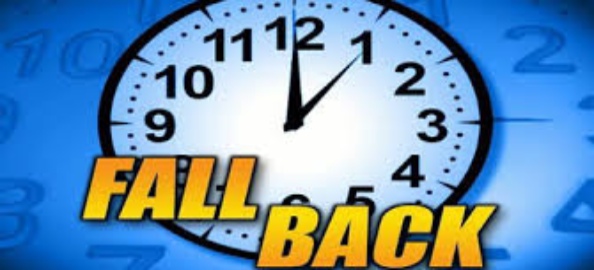
Daylight Saving Time 2015 ends for the year so the clock change for the fall takes place Sunday morning at 2 a.m. on November 1. Daylight Saving Time 2015 seems overdue, but it is the same time each year.
The clock changes on the first Sunday in November. Daylight Saving Time starts on the second Sunday in March each year.
Halloween (All Hallow’s Eve) is an ancient celebration dating back to the sixth or seventh centuries. This holiday combines the Druid autumn festival and the Christian celebration of Hallowtide, long associated with witches, ghosts, devils, spirits, magic … and all scary things that go bump in the night.
• 1896 ~ Ethel Waters, American blues and jazz singer
• 1906 ~ Louise Talma, American composer
• 1912 ~ Dale Evans (Frances Butts), Singer, songwriter of Happy Trails to You, actress, wife of ‘King of the Cowboys’ Roy Rogers
• 1927 ~ Anita Kerr, Pianist, singer, record producer, The Anita Kerr Singers, composer
• 1930 ~ In a rare recording, William ‘Count’ Basie sang with Bennie Moten’s orchestra, Somebody Stole My Gal, on Victor.
• 1934 ~ Tom Paxton, American folk singer, guitarist and songwriter
• 1947 ~ Russ Ballard, Singer, songwriter, guitar with Argent
• 1952 ~ Bernard Edwards, Bass with Chic
• 1953 ~ NBC televised “Carmen” on Opera Theatre in living color. It was the first major opera televised in anything other than black and white.
• 1956 ~ Tony Bowers, Bass with Simply Red
• 1961 ~ Larry Mullen, Grammy Award-winning drummer, with U2
• 1963 ~ Johnny Marr, Guitarist with The Smiths
• 1972 ~ Curtis Mayfield received a gold record for Freddie’s Dead from the movie, Superfly.
• 1984 ~ Caribbean Queen became a gold record for Billy Ocean. It was Ocean’s second hit song and the only one of his 11 hits to become a million-seller. He would have two other #1 songs and a pair of #2 hits, but none as big as Caribbean Queen (No More Love on the Run). Billy’s from Trinidad, and his real name is Leslie Sebastian Charles.
• 1894 ~ Peter Warlock, British composer and writer
• 1939 ~ Grace Slick (Wing), American rock singer and songwriter with Jefferson Airplane
• 1939 ~ Eddie Holland, Songwriter in the writing team of Holland-Dozier-Holland. They were inducted into Rock and Roll Hall of Fame in 1990, singer
• 1941 ~ Otis Williams, Singer with The Temptations
• 1941 ~ The song that would become the theme of bandleader Tony Pastor was recorded. It was Blossoms on the Bluebird label. If you don’t remember Blossoms, maybe you remember this one by Pastor: Dance with a Dolly (With a Hole in Her Stocking).
• 1947 ~ Timothy B. Schmit, Bass guitarist, singer with Poco
• 1964 ~ Roy Orbison went gold with his hit single, Oh, Pretty Woman.
• 1971 ~ Pink Floyd released their sixth studio album Meddle in the US. The album features ‘One Of These Days’ and the 23-minute track ‘Echoes’ which took up all of side 2 on the vinyl record. The cover image was photographed by Bob Dowling. The image represents an ear, underwater, collecting waves of sound, represented by ripples in the water.
• 1972 ~ A command performance was given for the Queen of England by Elton John.
• 1976 ~ The group, Chicago, started its second (and final) week at number one on the pop singles charts with If You Leave Me Now. The hottest LP was Stevie Wonder’s “Songs in the Key of Life”. The album was number one for a total of 14 weeks.
• 1984 ~ Dan Ackroyd and John Belushi, aka The Blues Brothers (Jake and Elwood), hit the two-million-dollar sales mark with their LP, Briefcase Full of Blues.
• 2000 ~ Steve Allen, the bespectacled, droll comedian who pioneered late night television with the original “Tonight Show” and wrote more than 4,000 songs and 40 books, passed away. He died at the age of 78 of an apparent heart attack. In addition to starting the “Tonight Show,” Allen starred as the King of Swing in the 1956 movie “The Benny Goodman Story.” He appeared in Broadway shows, on soap operas, wrote newspaper columns, commented on wrestling broadcasts, made 40 record albums, and wrote plays and a television series that featured “guest appearances” by Sigmund Freud, Clarence Darrow and Aristotle. “I’ve known him for almost 60 years. … He is one of the great renaissance figures of today,” comic Art Linkletter said. Said entertainer Dick Clark: “He had a magnificent mind. He was a kind, gentle, warm man. He would be embarrassed for me now, because I can’t put into words the way I felt about this man. I loved him.” His ad libbing skills became apparent in his early career as a disc jockey. He once interrupted the music to announce: “Sports fans, I have the final score for you on the big game between Harvard and William & Mary. It is: Harvard 14, William 12, Mary 6.” Allen’s most enduring achievement came with the introduction of “The Tonight Show” in 1953. The show began as “Tonight” on the New York NBC station WNBT, then moved to the network on Sept. 27, 1954. Amid the formality of early TV, “Tonight” was a breath of fresh air. The show began with Allen noodling at the piano, playing some of his compositions and commenting wittily on events of the day. “It was tremendous fun to sit there night after night reading questions from the audience and trying to think up funny answers to them; reading angry letters to the editor; introducing the greats of comedy, jazz, Broadway and Hollywood; welcoming new comedians like Shelley Berman, Jonathan Winters, Mort Sahl and Don Adams,” he once said. Allen’s popularity led NBC in 1956 to schedule “The Steve Allen Show” on Sunday evenings opposite “The Ed Sullivan Show” on CBS. A variation of “Tonight,” the prime-time show was notable for its “Man in the Street Interview” featuring new comics Louis Nye (“Hi-ho, Steverino”), Don Knotts, Tom Poston, Pat Harrington and Bill Dana. The show lasted through 1961, the last year was on ABC. Among his TV routines: parodying juvenile rock ‘n’ roll lyrics by reading them as if they were sublime poetry, and “The Question Man,” in which someone would give him an answer and he would guess the question – forerunner to Johnny Carson’s “Karnac.” He wrote great quantities of songs, and several were recorded by pop vocalists. His most popular song was This May Be the Start of Something Big. His books ranged from autobiography (“Hi-Ho, Steverino: My Adventures in the Wonderful Wacky World of TV”), to philosophy (“Steve Allen on the Bible, Religion and Morality,” to murder mystery (“Die Laughing.”) Steve Allen came by his humor naturally; both his parents, Billy Allen and Belle Montrose, were vaudeville comedians. Steve was 18 months old when his father died, and his mother continued touring the circuits as a single.
• 2003 ~ Franco Corelli, a dashing Italian tenor who once starred alongside Maria Callas, died at the age of 82. Corelli rose to operatic stardom in the 1950s and remained there well into the 1970. “He was the most viscerally thrilling and handsome tenor of the post Second World War generation,” the late Austrian conductor Herbert von Karajan once said of Corelli. Born in 1921, Corelli grew up a keen singer but his opera career did not really take off until 1951. He made his debut that year singing Don Jose in Bizet’s “Carmen.” Three years later he appeared alongside Maria Callas in Gaspare Spontini’s “La Vestale” in Milan. The Italian’s fame spread and before long his career took him to Paris, Vienna, London and New York. His versatile voice and good looks made him a popular choice for romantic lead roles.
• 1944 ~ Denny Laine (Brian Hines), Guitarist, singer with The Moody Blues
• 1944 ~ The Martha Graham dance company performed a famous contemporary composition called “Appalachian Spring” by Aaron Copland. This debut performance was staged at the Library of Congress.
• 1945 ~ Melba Moore, Singer and actress
• 1946 ~ Peter Green, Guitarist with Fleetwood Mac
• 1947 ~ Richard Dreyfuss, Academy Award-winning actor in The Goodbye Girl (1977) and Mr. Holland’s Opus
• 1961 ~ Randy (Steven Randall) Jackson, Singer with The Jackson Five, brother of Michael, Jermaine, Janet, LaToya, Tito, etc.
• 1961 ~ The top, pop song on the charts belonged to Dion (DiMucci). Runaround Sue was in its second week at the tiptop of the top~tune tabulation (it was in the top 40 for three months).
• 1970 ~ Neil Diamond received a gold record for the hit, Cracklin’ Rosie.
• 1981 ~ Loretta Lynn received a gold record for her album, “Greatest Hits, Vol. 2”.
• 1983 ~ After four weeks at #1 on the pop music charts, Bonnie Tyler’sTotal Eclipse ofthe Heart slipped to #2. It was replaced by Islands in the Stream by Kenny Rogers and Dolly Parton.
• 1987 ~ Woody Herman, American jazz clarinetist, alto and soprano saxophonist, singer, and big band leader, passed away
• 2001 ~ Henry Berthold “Spike” Robinson, a Britain-based American saxophonist admired for his liquid tone and lyrical verve, died at the age of 71. Robinson was born in Wisconsin and came to Britain as a U.S. Navy bandsman after World War II. In his spare, he time played with British bebop pioneers such as Ronnie Scott, John Dankworth and Victor Feldman, making a series of recordings for the Esquire label. He returned to the United States and completed an engineering degree, continuing to play in jazz clubs while working for Honeywell Corp. He returned to music full-time in 1981 after recording an album of HarryWarren compositions featuring Feldman and bassist Ray Brown. In 1989 Robinson moved to England. Despite poor health, he played steadily throughout Europe and the United States. He also recorded for the Edinburgh- based Hep label.


 Carl Tausig (1841) Polish pianist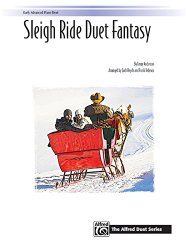


 Happy Halloween
