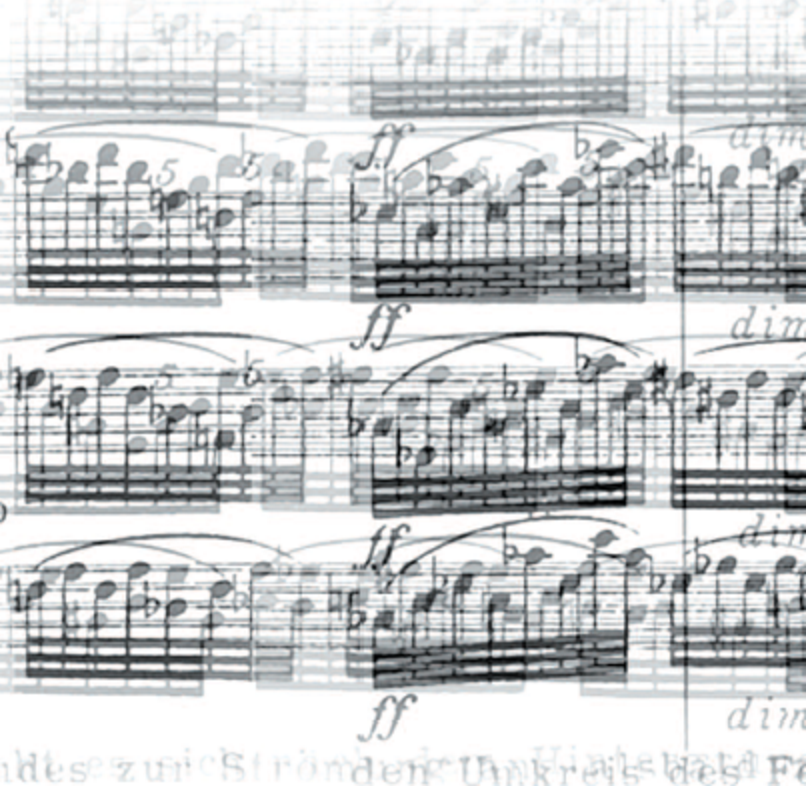
Faking, smudging, flying, putting the orchestral pedal down – there are so many ways to describe not being able to nail every last note. Yet it is, to some degree, the great unmentionable of orchestral playing, as witnessed by the fact that every musician I interviewed preferred not to be quoted by name. Perhaps that’s because we’re professionals. We’re supposed to be able to play anything, at the switching on of a little red light. Yet I can still remember these heartening words from the principal cellist of a major orchestra about the ‘Storm’ from Beethoven’s Sixth Symphony: ‘How do I play it? I don’t play it; I fake it. I never even met anybody who could play it!’So why is it that, given the extremely high level of orchestral playing worldwide, even the best (occasionally) have to fake?
One reason is the amount of rehearsal time available. There’s no doubt that the more prestigious the orchestra, the more rehearsal sessions are allocated per concert and the more likely it is that the said concert may be repeated: all factors making faking largely unnecessary. There are also marked international differences, with orchestras in the Far East and the US generally getting more rehearsal time than orchestras in Europe, especially the UK.
• 1765 ~ Pierre-Joseph Le Blan, Composer, died at the age of 53
• 1767 ~ Ferdinand Franzl, Composer
• 1767 ~ Friedrich Johann Eck, Composer
• 1821 ~ Diederich Krug, Composer
• 1826 ~ Christian Friedrich Ruppe, Composer, died at the age of 72
• 1847 ~ Alphonse Goovaerts, Composer
• 1878 ~ Bill “Bojangles” (Luther) Robinson, Vaudeville dancer, tap-dancing coach for Sammy Davis, Jr. and Shirley Temple
More information about Robinson
• 1878 ~ Gilbert and Sullivan’s opera “HMS Pinafore” premiered in London
• 1887 ~ Gas lamp at Paris Opera caught fire, 200 died
• 1917 ~ Leon Felix Augustin Joseph Vasseur, Composer, died at the age of 72
• 1919 ~ Gino Negri, Composer
• 1921 ~ Hal David, Oscar-winning songwriter with Burt Bacharach
• 1924 ~ Theodore Morse, Composer, died at the age of 51
• 1925 ~ Aldo Clementi, Composer
• 1926 ~ Miles Davis III, American jazz trumpeter, bandleader, and composer. He combined be-bop, modal chord progressions and rock rhythms to create ‘cool jazz’. He was one of the major influences on the art from the late 1940s. Read quotes by and about Davis
• 1926 ~ Kitty Kallen, Singer
• 1928 ~ Frigyes Hidas, Composer
• 1929 ~ Beverly Sills, American soprano and opera administrator, chairperson of Lincoln Center; National Chair of March of Dimes’ Mothers’ March on Birth Defects
• 1934 ~ Gustav Theodore Holst, English Composer, died at the age of 59
More information about Holst
• 1936 ~ Tom T. Hall, Singer
• 1936 ~ Jan Levoslav Bella, Composer, died at the age of 92
• 1943 ~ Leslie Uggams, Singer
• 1943 ~ John ‘Poli’ Palmer, Musician, sax, flute, keyboard with Family
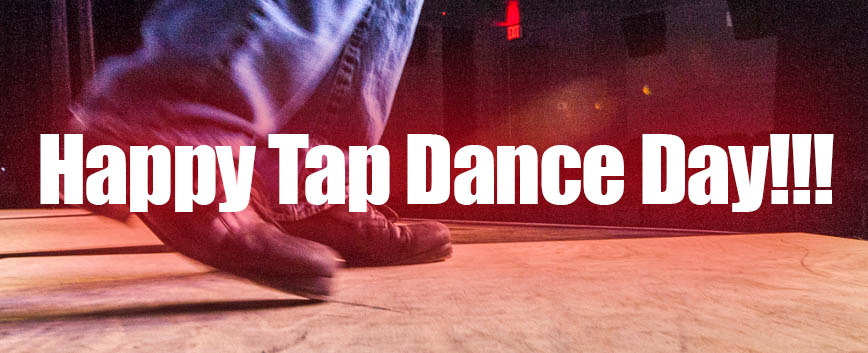
Another of the Who Knew?-type posts. It’s National Tap Dance Day. When I was a little kid, I took the “required” ballet and tap classes for a year. My mom has a picture of me in my tutu and one in my majorette costume for the tap recital. I imagine I only took for the year because those costumes cost extra money.
Later on, I bought tap shoes – still unused – and signed up with a friend for a local adult tap class. Unfortunately, we were the only ones who signed up for the class and it was cancelled. It was a major nightmare trying to get our money back. They wanted to give us a credit for the next time, but that would cost more money which we didn’t want to pay.
But, I digress.
National Tap Dance Day falls on May 25 every year and is a celebration of tap dancing as an American art form. The idea of National Tap Dance Day was first presented to U.S. Congress on February 7, 1989 and was signed into American law by President George H.W. Bush on November 8, 2004. The one-time official observance was on May 25, 1989.
Tap Dance Day is also celebrated in other countries, particularly Japan, Australia, India and Iceland.
National Tap Dance Day was the brainchild of Carol Vaughn, Nicola Daval, and Linda Christensen. They deemed May 25 appropriate for this holiday because it is the birthday of Bill “Bojangles” Robinson, a significant contributor to tap dance.
Even Legos can tap to Puttin’ On The Ritz! A tribute to Fred Astaire, in the classic scene from the 1946 musical, Blue Skies, with the music and lyrics by Irving Berlin. Although originally written for vaudevillian Harry Richman in 1930, the lyrics were readapted along with a brand new dance sequence some 16 years later.
Here’s the original from Blue Skies, although some has been cut with stills of Fred inserted:
And another version, with Michael Jackson 🙂
Just for comparison, the real original 1930 movie footage of Irving Berlin’s world-famous song, sung by Harry Richman, from the film of the same name.
And something completely different with my old favorites, The Nicholas Brothers from the film Stormy Weather.
• 1937 ~ Archie Shepp, African-American tenor saxophonist, one of the first improvisers and composers in free jazz, and one of its most eloquent spokesmen.
• 1938 ~ Art Kassel’s orchestra recorded a song for Bluebird Records that may not have been a smash hit, but had a great title: So You Left Me for the Leader of a Swing Band.
• 1941 ~ Bob Dylan, America folk and rock singer, songwriter and guitarist. He moved from folk to rock music in the 1960s, infusing the lyrics of rock and roll, previously concerned mostly with boy-girl romantic innuendo, with the intellectualism of classic literature and poetry. Hailed as the Shakespeare of his generation, Dylan sold more than 58 million albums.
• 1941 ~ Brian Dennis, Composer
• 1941 ~ Konrad Boehmer, Composer
• 1942 ~ Derek Quinn, Guitarist with Freddie and the Dreamers
• 1943 ~ James Levine, British conductor
• 1944 ~ Patti LaBelle (Holt), American soul-rock singer
• 1945 ~ Priscilla Presley, American actress and was wife of Elvis Presley
• 2002 ~ BBC News Online Conductor Colin Davis and The London Symphony were recognized for their successful partnership on the orchestra’s new record label and popular tenor Russell Watson was the big winner at the third Classical Brit awards Thursday, BBC News reports. Davis won the award for Best Male Artist, his recording of Berlioz’s Les Troyens received the Critics’ Choice award and the London Symphony Orchestra’s recording of Vaughan Williams’ “London” Symphony under Richard Hickox was named Best Ensemble/Orchestral Album at the ceremony, which took place in the Royal Albert Hall. In the only award voted for by radio listeners, Best Album, Watson beat Italian opera singer Cecilia Bartoli with his Encore disc. It was the second time Watson won Best Album. He also picked up an award for the biggest selling classical album in the UK. Bartoli won for Female Artist of the Year. The Contemporary Music award was won by Tan Dun, composer of the score for Crouching Tiger, Hidden Dragon. The Best Male Artist award recognizes Davis’ highly successful Berlioz CD series on the LSO Live label. During 2001, his interpretations of Symphonie Fantastique, La damnation de Faust and Les Troyenswere released to excellent reviews. Les Troyens won Grammys earlier this year for Best Opera and Best Overall Classical Recording. The LSO’s disc of Vaughan Williams’s Symphony No. 2 “A London Symphony” on Chandos was the first recording of the score in its original version.
• 2015 ~ Marcus Belgrave, jazz trumpeter, died. He recorded with a variety of famous musicians, bandleaders, and record labels since the 1950s.
• 1912 ~ Jean Françaix, French composer and pianist whose music in a light neoclassical style displays the wit and clarity of the traditional Gallic spirit.
• 1918 ~ Abie “Boogaloo” Ames, Blues and jazz pianist, was born on Big Egypt Plantation in Cruger, Miss. He began playing piano at the age of 5 and his style earned him the nickname “Boogaloo” in the 1940’s. Read more about Abie “Boogaloo” Ames
• 1921 ~ Humphrey Lyttelton, English jazz musician, trumpeter and broadcaster
• 1921 ~ “Shuffle Along” first black musical comedy, opened in New York City.
• 1922 ~ Abie’s Irish Rose, opened at the Fulton Theatre in New York City. The play continued for 2,327 performances and numerous revivals as well. It is estimated that some 50,000,000 people have seen the play performed somewhere in the world.
• 1923 ~ Alicia de Larrocha, Spanish pianist
• 1926 ~ Hans Koessler, Composer, died at the age of 73
• 1934 ~ Robert A. Moog, American electrical engineer; inventor of the Moog synthesizer
More information about Moog
• 1935 ~ Jackson Hill, Composer
• 1938 ~ Singer Ray Eberle signed on as vocalist with the Glenn Miller Orchestra for $35 a week. Eberle’s first session with Miller included Don’t Wake Up My Heart, for Brunswick Records.
• 1939 ~ Dmitri Shostakovitch was appointed professor at conservatory of Leningrad
• 1940 ~ Tommy Dorsey and His Orchestra, the Pied Pipers and featured soloist Frank Sinatra recorded I’ll Never Smile Again in New York for RCA. The tune remains one of Sinatra’s best-remembered performances.
• 1952 ~ Georg Alfred Schumann, Composer, died at the age of 85
• 1959 ~ “Party with Comden & Green” closed at John Golden New York City after 44 performances
• 1960 ~ Don and Phil, the Everly Brothers, enjoyed the day as their recording of Cathy’s Clown made it to number one on the hit music charts. The song stayed at number one for 5 weeks — a big hit for the duo.
• 1960, “Finian’s Rainbow” opened at 46th St Theater New York City for 12 performances
• 1975 ~ Singer B.J. Thomas received a gold record for the single with the extremely long title, (Hey, Won’t You Play) Another Somebody Done Somebody Wrong Song.
• 1987 ~ Karel Albert, Flemish Composer, died at the age of 86
• 1991 ~ William Sinnot, Scottish pop musician, died at the age of 30
• 1992 ~ Atahualpa Yupanqui, Argentinian singer, composer, poet and guitarist, died
• 1994 ~ Joe Pass, American jazz guitarist, died at the age of 65
• 1813 ~ (Wilhelm) Richard Wagner, German composer
Read quotes by and about Wagner
More information about Wagner
Happy Birthday Wagner-Style
• 1820 ~ Alexander Ernst Fesca, Composer
• 1850 ~ Johann Schrammel, Composer
• 1852 ~ Emile Sauret, Composer
• 1865 ~ Enrique Morera, Composer
• 1879 ~ Eastwood Lane, Composer
• 1879 ~ Jean Emile Paul Cras, Composer
• 1884 ~ Alceo Toni, Composer
• 1885 ~ Julio Fonseca, Composer
• 1900 ~ Edwin S. Votey of Detroit, MI patented his pianola, a pneumatic piano player. The device could be attached to any piano. Batteries not included.
• 1914 ~ Sun Ra (Herman Blount), American jazz composer and keyboard player who led a free jazz big band known for its innovative instrumentation and the theatricality of its performances. He passed away in 1993.
• 1916 ~ Gordon Binkerd, Composer
• 1924 ~ Charles Aznavour, French chanteur and composer
• 1924 ~ Claude Andre Francois Ballif, French composer
• 1926 ~ Elaine Leighton, Drummer, played with Billie Holiday
• 1966 ~ Iva Davies (1955) Guitarist, singer with Icehouse
• 1958 ~ Wedding vows were taken by rock ’n’ roll star, Jerry Lee Lewis and his thirteen- year-old cousin, Myra.
• 1965 ~ The Beatles got their eighth consecutive number one hit as Ticket to Ride rode to the top of the singles list. The song topped the charts for one week and became their eighth consecutive number one hit.
• 1966 ~ Bruce Springsteen recorded his very first song at the age of 16, along with his band, The Castilles. It was titled, That’s What You’ll Get. The song was never released.
• 2003 ~ The final manuscript of Beethoven’s Ninth Symphony, which was annotated by the composer, sold at auction for $3.47 million.
Each year on May 22 we observe National Buy a Musical Instrument Day. The day is all about playing music. If you are a musician, it might be time for a new instrument. Maybe you can learn to play a second or third one. If you have never played an instrument before, National Buy A Musical Instrument Day might be the motivation you need to start.
Naturally, here at the O’Connor Music Studio, a piano, keyboard with weighted keys (and 88 of them!) or organ is recommended but this day is for all types of instruments and is for people of all ages. Grandpa can play his ukulele while the grandkids play the drums, trombone, and flute. Together they can all make terrific music!
• 1930 ~ Tommy Bryant, Jazz/studio musician: bassist
• 1932 ~ Robert Sherlaw Johnson, Composer
• 1933 ~ Maurice André, French trumpeter
• 1935 ~ Terry Lightfoot, Clarinetist, bandleader with the New Orleans Jazzmen
• 1939 ~ Heinz Holliger, Swiss oboist, composer and conductor
• 1940 ~ Will Bradley and his orchestra recorded one of the best of the Big Band era. Ray McKinley played drums and did the vocal for the boogie-woogie tune, Beat Me Daddy, Eight to the Bar. The song, on Columbia Records, was so long it took up both sides of the 78 rpm record.
• 1941 ~ Ronald Isley, Singer with The Isley Brothers
• 1944 ~ Marcie Blane, Singer
• 1948 ~ Leo (Gerard) Sayer, Pop-singer and songwriter. Some of his hits were YouMake Me Feel like Dancing and When I Need You
• 1959 ~ Gypsy opened. Ethel Merman played the lead role in the musical which opened at the Broadway Theatre in New York City. The popular show ran for 702 performances. It was based on the memoirs of Gypsy Rose Lee, the famous burlesque queen.
• 1973 ~ The sensual Pillow Talk, by Sylvia (Sylvia Vanderpool), earned a gold record.
• 1985 ~ Marvin Gaye’s last album was released. Dream of a Lifetime featured songs that critics considered too offensive, such as the controversial, pop version of The Lord’s Prayer. Three of the songs from the album were completed after Gaye’s death. Marvin Gaye was inducted into the Rock and Roll Hall of Fame in 1987.
• 1979 ~ The first western pop star to tour USSR was Elton John
• 1984 ~ “On Your Toes” closed at Virginia Theater NYC after 505 performances
• 1986 ~ Bernard Naylor, Composer, died at the age of 78
• 1991 ~ Julian Orbon De Soto, Composer, died at the age of 65
• 2000 ~ Jean-Pierre Rampal, who popularized the flute as a solo instrument and became one of classical music’s brightest stars, died in Paris. He was 78. The cause was a heart attack.
More information about Rampal
• 2002 ~ Sandor Konya, a tenor who spent much of his career at the Metropolitan Opera in New York, died. He was 78. Born in Sarkad, Hungary, in 1923, Konya studied in Hungary, Italy and Germany before making a name for himself as a Wagnerian tenor and giving hundreds of performances at the Met in the late 1960s and early 1970s. He moved to Ibiza in the 1980s and started Pro Arte, a local foundation to promote the operatic arts with productions throughout the season, said Echarte, who is vice president.
Pender Music Camp, July 10-14, 12:30-3:30 pm (This is why MrsO doesn’t teach in the afternoon this week!)
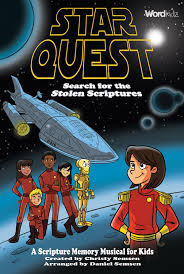
The theme for this summer’s Pender UMC music camp will be “Star Quest.” We will be exploring music that expresses the goodness of God’s creation and tells of the truth of His word in the Bible.
Children will be rotating through handbell, Orff, drumming and craft classes. In addition to these “out-of-this-world” classes, we will be preparing and presenting excerpts from the musical “Star Quest – The Search for the Stolen Scriptures.”
Join us this year as we blast off to fun and song! For ages rising 2nd grade – rising 6th grade.



 MaryO'Studio