December 30, 2016 ~ Today in Music History

today

• 1756 ~ Pavel Vranicky, Moravian classical composer

• 1853 ~ Andre-Charles-Prosper Messager, French composer, organist, pianist, conductor and administrator.

• 1859 ~ Josef Bohuslav Foerster, Czech composer of classical music

• 1895 ~ Vincent Lopez, Bandleader, played at NYC’s Astor Hotel, some of the greats started with him: Artie Shaw, Buddy Morrow, Buddy Clark

OCMS 1904 ~ Dmitri Kabalevsky, Russian composer, pianist and conductor
More information about Kabalevsky

• 1910 ~ Paul Frederic Bowles, American composer and novelist

• 1914 ~ Bert Parks (Jacobson), Radio/TV host of Miss America Pageant, Break the Bank, Stop the Music

• 1919 ~ Sir David Willcocks, British organist, conductor and educator

• 1928 ~ Bo Diddley (Otha Ellas Bates McDaniel), Singer

• 1931 ~ Skeeter Davis (Mary Frances Penick), Singer

• 1936 ~ The famous feud between Jack Benny and Fred Allen was ignited. After a 10- year-old performer finished a violin solo on The Fred Allen Show, Mr. Allen said, “A certain alleged violinist should hide his head in shame for his poor fiddle playing.” It didn’t take long for Mr. Benny to respond. The humorous feud lasted for years on both comedian’s radio shows.

• 1937 ~ John Hartford, Grammy Award-winning songwriter, banjo, fiddle, guitar on Glen Campbell’s Good Time Comedy Hour

• 1939 ~ Del Shannon (Charles Westover), Singer, songwriter, inducted into the Rock and Roll Hall of Fame

• 1942 ~ Michael Nesmith, Guitarist with The Monkees, formed The First National Band, movie producer of the first Grammy-winning video

• 1945 ~ Davy Jones (David Thomas Jones), Singer with The Monkees, actor

• 1947 ~ Jeff Lynne, Singer, guitar with The Electric Light Orchestra, songwriter

• 1948 ~ Alfred Drake and Patricia Morrison starred in Kiss Me Kate which opened at the New Century Theatre in New York City. Cole Porter composed the music for the classic play that was adapted from Shakespeare’s comedy, The Taming of the Shrew. The show ran for 1,077 performances on the Great White Way.

• 1942 ~ Frank Sinatra opened at New York’s Paramount Theatre for what was scheduled to be a 4-week engagement (his shows turned out to be so popular that he was booked for an additional 4 weeks). An estimated 400 policemen were called out to help curb the excitement. It is said that some of the teenage girls were hired to scream, but many more screamed for free. Sinatra was dubbed ‘The Sultan of Swoon’, ‘The Voice that Thrills Millions’, and just ‘The Voice’. Whatever he was, it was at this Paramount Theatre engagement that modern pop hysteria was born.

• 1954 ~ Pearl Bailey opened on Broadway in the play, House of Flowers, about two madams with rival bordellos. Diahann Carroll was also cast in the play, written by Truman Capote. Harold Arlen provided the musical score.

• 1969 ~ Peter, Paul and Mary received a gold record for the single, Leaving On a Jet Plane. The song had hit #1 on December 20.

• 1970 ~ Paul McCartney sued the other three Beatles to dissolve the partnership and gain control of his interest. The suit touched off a bitter feud between McCartney and the others, especially his cowriter on many of the Beatles compositions, John Lennon. The partnership officially came to end in 1974.

• 1976 ~ The Smothers Brothers, Tom and Dick, played their last show at the Aladdin Hotel in Las Vegas and retired as a team from show business. Each continued as a solo artist. They reunited years later for another stab at TV (on NBC) plus concert appearances that proved very successful.

• 1979 ~ Richard Rodgers passed away
More about Richard Rodgers

• 2000 ~ Bohdan Warchal, a violinist and conductor who was one of Slovakia’s most popular musicians, of an unspecified illness at the age of 70. A violinist in the Slovak Philharmonic, Warchal, who died on Saturday, won acclaim as the founder and conductor of the Slovak Chamber Orchestra, which has given concerts all over the world ever since it was established in 1960. Warchal was awarded a medal by President Rudolf Schuster for his life-time work last year.

• 2003 ~ Hong Kong’s Canto-pop diva and actress Anita Mui died. She was 40 years old. Mui began her career after winning a singing contest in Hong Kong in 1982. She rose to stardom with her song Homecoming in 1984. Canto-pop refers to hits sung in Cantonese, the dialect of Chinese that is widely spoken in Hong Kong and in many overseas Chinese communities. Mui also turned to acting and won Taiwan’s Golden Horse film award for best actress in 1987 for her role as a tormented ghost in the movie “Rouge.”

2004 ~ Artie Shaw (Arthur Arschawsky), American jazz clarinetist, bandleader, composer and arranger died
More information about Shaw

December 29, 2016 ~ Today in Music History

today

• 1876 ~ Pablo Casals, Spanish cellist and conductor
More information about Casals

• 1912 ~ Peggy Glanville-Hicks, Australian composer and music critic

• 1922 ~ Rose Lee Maphis, Entertainer, half of the team: Mr. and Mrs. Country Music with husband Joe, Hee Haw regular

• 1942 ~ Ray Thomas, Flute, saxophone, harmonica, singer with The Moody Blues

• 1943 ~ San Fernando Valley was recorded by Bing Crosby. He chose the tune because he felt it would be a big hit. He was right. Within a week after its release, the song became a popular favorite everywhere, including the San Fernando Valley in California.

• 1945 ~ Sheb Wooley recorded the first commercial record made in Nashville, TN. The song was recorded on the Bullet label; but it was 13 years before Wooley would finally score with a big hit (The Purple People Eater was #1 for six weeks in June and July, 1958). Wooley (whose first name is Shelby) played the part of Pete Nolan on TV’s Rawhide, recorded novelty tunes under the name, Ben Colder, and acted in High Noon, Rocky Mountain, Giant and Hoosiers.The Country Music Association honored him with the title of Comedian of the Year in 1968. If you remember the TV show Hee Haw, with Buck Owens and Roy Clark, it was Sheb Wooley who wrote the theme song.

• 1951 ~ Yvonne Elliman, Actress, singer joined Eric Clapton in his 1974 comeback tour

• 1952 ~ Gelsey Kirkland, Dancer, ballerina, author of Dancing on My Grave: An Autobiography, Shape of Love

• 1957 ~ Steve Lawrence and Eydie Gorme were married. They became popular singers on the The Tonight Show with Steve Allen, and as Las Vegas showroom regulars and recording artists. They are still together in one of Hollywood’s most enduring marriages.

• 1961 ~ Mark Day, Guitarist with Happy Mondays

• 1963 ~ Much to the chagrin of the disc jockeys at 50,000-watt WABC in New York, the 5,000-watt blowtorch known as WMCA and its famed ‘Good Guys’ became the first New York radio station to play The Beatles’ I Want to Hold Your Hand. It didn’t take long for WABC to get revenge. It started calling itself the ‘official’ Beatles station (W-A-Beatle-C).

• 1967 ~ Orchestra leader Paul Whiteman passed away at the age of 76. Known as the King of Jazz, Whiteman had 28 #1 hits between 1920 and 1934 including Three O’Clock in the Morning, My Blue Heaven, All of Me and Smoke Gets in Your Eyes.

• 1980 ~ American singer, songwriter Tim Hardin died of a heroin overdose. Hardin wrote the songs ‘If I Were A Carpenter’ (covered by Bobby Darin, Johnny Cash and June Carter, The Four Tops, Leon Russell, Small Faces, Robert Plant and Bob Seger,) and ‘Reason To Believe’, (covered by Rod Stewart). Hardin appeared at the 1969 Woodstock Festival.

• 2001 ~ Cassia Eller, one of the most irreverent singers of Brazilian rock music, died at the age of 39. Eller’s fame peaked in 2001 with the sale of about 250,000 copies of her “MTV Unplugged” album and a performance in January’s Rock in Rio festival in front of hundreds of thousands of fans, singing along with one of her hits, I just ask God for a little indecency.

• 2001 ~ Jazz pianist Ralph Sutton, a leading practitioner of the stride piano, died at the age of 79. Born in St. Charles, Mo., in 1922, Sutton made his professional debut at age  11 with his father’s band. He later signed on with trombone great Jack Teagarden, and played at several clubs along New York’s famed 52nd Street. To create his eclectic style, Sutton drew from the jazz piano, from ragtime and the blues to stride, in the style made famous by James P. Johnson, Willie “The Lion” Smith, and Fats Waller. Critics hailed Sutton as one of the best contemporary jazz pianists with a mastery of his instrument. He was a founding member of the 1968 World’s Greatest Jazz Band, which performed at Elitch Gardens in Denver.

• 2003 ~ Manny Dworman, who owned a Greenwich Village nightspot where comedians including Jerry Seinfeld, Ray Romano and Jon Stewart performed, died. He was 73. Dworman, a musician who played the oud, guitar and mandolin, owned the Comedy Cellar and the Olive Tree Cafe upstairs. The club was previously the site of Cafe Feenjon, a Middle Eastern nightclub that originally opened as a coffeehouse in 1960. Dworman performed at Cafe Feenjon with his band, the Feenjon Group, which recorded five albums, performed at Carnegie Hall and inspired the radio show “Music From Around the World.” Comedy Cellar, which opened in 1980, also hosted performances by Chris Rock and Colin Quinn. Discussions at the club inspired the Comedy Central show “Tough Crowd with Colin Quinn.” Dworman was featured in the 2002 documentary “Comedian” by Jerry Seinfeld.

• 2004 ~ Jerry Orbach, American singer and actor for the musical theater and longtime star of the “Law & Order” television series, died at 69. Orbach, a lanky actor with a deep voice and a slicked mop of black hair, first made his name on Broadway, winning a Tony for “Promises, Promises.” He was also in the original cast of “Chicago” and “42nd Street.”

December 28, 2016 ~ Today in Music History

today

• 1812 ~ Julius Rietz, German composer, conductor and cellist

• 1896 ~ Roger Sessions, American composer

• 1905 ~ Earl “Fatha” Hines, American jazz pianist and bandleader, a classic duet with Louis Armstrong was Weather Bird, songwriter

• 1911 ~ San Francisco established its own symphony orchestra as part of its comeback from a disastrous earthquake.

• 1921 ~ Johnny Otis (Veliotes), ‘Inventor of R&B’, composer, song writer, drummer vibes with The Johnny Otis Show

• 1930 ~ Edmund Thigpen, Jazz Drummer

• 1932 ~ Dorsey Burnette, Singer, brother of singer Johnny Burnette

• 1938 ~ Charles Neville, Saxophone, flute, percussion with The Neville Brothers

• 1943 ~ Bobby Comstock, Singer

• 1944 ~ The musical, On the Town, opened in New York City for a run of 462 performances. It was Leonard Bernstein’s first big Broadway success. The show’s hit song, New York, New York, continues to be successful.

• 1946 ~ Edgar Winter, American rock vocalist, saxophonist, guitarist and keyboardist

• 1946 ~ Carrie Jacobs Bond passed away.  She was an American singer, pianist, and songwriter who composed some 175 pieces of popular music from the 1890s through the early 1940s

• 1947 ~ Dick Diamonde (Dingeman Van Der Sluys), Bass with The Easybeats

• 1950 ~ Alex Chilton, Guitarist, singer

• 1953 ~ Richard Clayderman, Pianist

• 1953 ~ Joe Diffie, Country Singer

• 1957 ~ At The Hop, by Danny and The Juniors, hit #1 on the music charts. It stayed at the top spot for seven weeks. The title of the tune was originally Do the Bop, but was changed at the suggestion of ‘America’s Oldest Living Teenager’ Dick Clark. Trivia: Danny and The Juniors filled in for a group that failed to appear on Clark’s American Bandstand show in Philadelphia. He called The Juniors to come into the studio immediately. They did and lip-synced At The Hop (written by Junior, Dave White and a friend, John Medora). It took off like a rocket to number one. (A few years later, Danny and The Juniors handed stardom to Chubby Checker when they failed to appear on Clark’s show.)

• 1963 ~ Paul Hindemith passed away
More information about Hindemith

• 1964 ~ Principal filming of the movie classic, Dr. Zhivago, began on location near Madrid, Spain. When completed, the film was 197 minutes long and so spectacular that it received ten Oscar nominations, winning five of the Academy Awards, including Best Original Score. Lara’s Theme was first heard in this movie.

• 1981 ~ WEA Records (Warner-Elektra-Atlantic) raised the price of its 45 rpm records from $1.68 to $1.98 this day. The company was the leader of the pack with other labels soon boosting their prices. Within a few years, the 45 rpm record was boosted right out of existence.

• 2001 ~ Frankie Gaye, whose combat experience during the Vietnam War was credited with influencing his older brother Marvin’s legendary Motown album “What’s Going On,” died of complications following a heart attack. He was 60. Gaye was a radio operator stationed in Vietnam in the 1960s when he wrote letters to his brother expressing his dissatisfaction with the war. His experiences influenced several songs on his brother’s 1971 album, including Save The Children, Inner City Blues and Mercy Mercy Me, according to Ralph Tee in the book “Soul Music Who’s Who.” Gaye, like his brother, had begun singing in church as a youngster. He went on to work with several Motown artists, including Mary Wells and Kim Weston and provided background vocals on many of his brother’s albums, including “What’s Going On” and 1977’s “Marvin Gaye, Live at the London Palladium.” On his own, Gaye composed the soundtrack to the 1972 film “Penitentiary 1” and toured extensively, both in the United States and England. He also released the singles Extraordinary Girl in 1989 and My Brother in 1990.

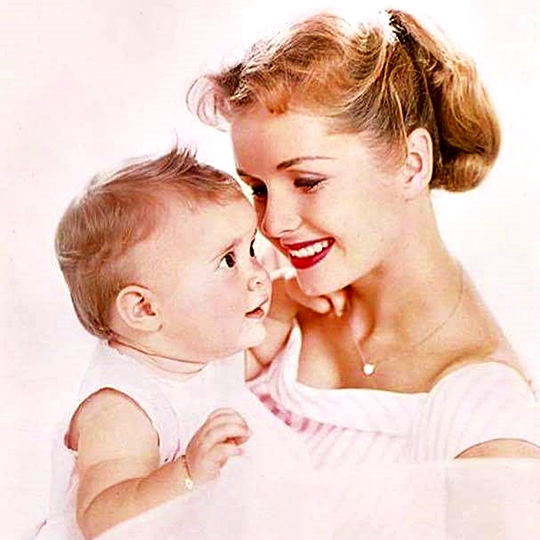
• 2016 ~ Debbie Reynolds, 84, died one day after the death of her daughter Carrie Fisher. She was an American actress, singer, businesswoman, film historian, and humanitarian.

More about Reynolds.


December 27, 2016 ~ Today in Music History

today
• 1879 ~ “Bunk” Johnson, American jazz trumpeter

• 1901 ~ Marlene Dietrich, German singer and actress

• 1903 ~ The barbershop quartet favorite, Sweet Adeline, was sung for the first time, in New York City. The song was composed by Henry Armstrong with the words of Richard Gerard. The title of the song came from a theater marquee that promoted the great operatic soprano, Adelina Patti. Now female barbershop quartets call themselves Sweet Adelines.

• 1906 ~ Oscar Levant, American pianist, composer, writer and radio personality

• 1911 ~ Anna Russell, Operatic parodies

• 1927 ~ The Jerome Kern (music) and Oscar Hammerstein II (lyrics) musical, Show Boat, opened at the Ziegfeld Theatre in New York City. Its star, Helen Morgan, received excellent reviews from critics of the show; a musical about riverboat show people and their romances and disappointments.

• 1931 ~ Walter Norris, Pianist, composer

• 1932 ~ Radio City Music Hall, in New York City, opened. It was the largest indoor theater in the world. The gala grand opening show was a six-hour extravaganza that lost half a million dollars within three weeks. The theater has since been renovated to recapture its original decorative charm. An Art Deco cathedral of entertainment, it seats more than 6,200 people and is still a must-see for those visiting New York. During the holiday season, audiences continue to get a kick out of seeing the world- famous Rockettes perform in precision on Radio City Music Hall’s nearly 10,000-square-foot stage which is a combination movie palace and live theater. It remains a showcase for many exciting musical events. It has a seating capacity of 6,200 seats.

• 1939 ~ The Glenn Miller Show, also known as Music that Satisfies, started on CBS radio. The 15-minute, twice-a-week show was sponsored by Chesterfield cigarettes and was heard for nearly three years.

• 1940 ~ Singer Al Jolson and actress Ruby Keeler were divorced after 12 years of marriage. They had separated a year earlier; but Jolson talked Keeler into co-starring with him in the Broadway show, Hold on to Your Hats. She left the show before the opening and then left the marriage.

• 1941 ~ Leslie Maguire, Pianist with Gerry and The Pacemakers

• 1944 ~ Mick Jones, Guitarist with Foreigner

• 1952 ~ David Knopfler, Guitarist, singer with Dire Straits

• 1953 ~ Elliot Easton (Shapiro), Guitarist with The Cars

• 1975 ~ The Staple Singers reached the top spot on the pop music charts for the second time in their career. This time with Let’s Do It Again. The song, the theme from the movie soundtrack of the same name, was the last hit the group would have. I’ll Take You There was The Staple Singers’ first number one hit (June 3, 1972).

• 1980 ~ The John Lennon hit, (Just Like) Starting Over, began a five-week stay at #1 on the pop charts. The hit was from the album, Double Fantasy. Lennon was murdered on December 8th of that year, as the single and LP had started their climb up the charts.

• 2003 ~ Vestal Goodman, a pioneering gospel music singer who performed for half a century, including a stint on “The PTL Club” with Jim and Tammy Faye Bakker, died. She was 74. Goodman and her late husband Howard “Happy” Goodman were part of The Happy Goodman Family act, which recorded 15 No. 1 gospel music songs and performed more than 3,500 concerts. In the mid-1980s, the couple were regulars on “The PTL Club” television show starring the Bakkers. They left in 1988 after three years on the show, and were not linked to financial improprieties as others on the show were. The Happy Goodman Family was inducted into the Gospel Music Hall of Fame in 1998. They were original members of “The Gospel Singing Jubilee” syndicated TV program that was a pioneer in gospel music broadcasting, appearing on more than 100 U.S. stations. The Goodmans sang at the White House in 1979 for President Carter.

• 2003 ~ Bobbie Nell Brookshire Gordon, a singer who toured in the 1970s with jazz great Duke Ellington, died. She was 64. Gordon, a Dayton native, was discovered in 1961 while singing at a bar in her hometown. She performed with pianist Betty Greenwood and had come to the attention of Ellington, the noted bandleader. Gordon toured from 1970 to 1974 with Ellington. A newly released digital video disc of a 1971 performance, “Live at Tivoli Gardens,” includes Gordon singing “Love You Madly” and “One More Time.” Gordon was featured as “Nell Brookshire” with Ellington on the cover of Jet magazine in September 1971.

• 2003 ~ Dick St. John, half of the Dick & Dee Dee duo, whose 1961 hit, The Mountain’s High, made No. 2 on the Billboard pop singles chart, died. He was 63. Dick & Dee Dee’s biggest hit was The Mountain’s High, but they also cracked the Top 25 pop singles chart in 1963 with Young and In Love and 1965’s Thou Shalt Not Steal. St. John, born Richard Gosting, began performing with his friend Mary Sperling in junior high. With St. John as the chief songwriter, the two soon attracted the attention of Liberty Records in Los Angeles. St. John and Sperling, who was renamed Dee Dee by the label, combined elements of doo- wop, soul and R&B in their sound. They toured with the Beach Boys and the Rolling Stones. Dick & Dee Dee were semi-regulars on such musical shows as “American Bandstand.” St. John also wrote songs that were recorded by Lesley Gore, Jan and Dean, the Four Seasons and Quincy Jones, and he contributed music to many television shows.<

December 26, 2016 ~ Today in Music History

boxing-day

Happy Boxing Day!  Boxing Day is a holiday traditionally celebrated the day following Christmas Day, when servants and tradesmen would receive gifts, known as a “Christmas box”, from their masters, employers or customers, in the United Kingdom,The Bahamas, Barbados, Canada, Hong Kong, Australia, Bermuda, New Zealand, Kenya, South Africa, Guyana, Trinidad and Tobago, Jamaica and other former British colonies. Today, Boxing Day is a public holiday usually falling on 26 December.

1678 ~ Johann Georg Pisendel

• 1762 ~ Franz Wilhelm Tausch

• 1921 ~ Steve Allen, Comedian, author, musician, composer, TV host of The Tonight Show, The Steve Allen Show; films: The Benny Goodman Story, married to Jayne Meadows

• 1926 ~ Earle Brown, American avant-garde composer
More about Brown

• 1931 ~ George Gershwin’s musical, Of Thee I Sing, opened at the Music Box Theatre in New York City. The show became the first American musical to be awarded a Pulitzer Prize.

• 1935 ~ Abdul ‘Duke’ Fakir, Singer with The Four Tops

• 1939 ~ W.C. Handy of Memphis, TN one of the legendary blues composers of all time, recorded the classic St. Louis Blues. W.C. and his band recorded in New York for Varsity Records. Handy was one of the first to use the flat third and seventh notes in his compositions, known in the music world as ‘blue’ notes. The music awards for blues artists’ are called the W.C. Handy National Blues Awards.

• 1940 ~ Phil Spector, ‘Tycoon of Teen’, record company executive, originator of Wall of Sound, sang with The Teddy Bears, songwriter

• 1942 ~ Adriana Maliponte, Italian soprano

• 1952 ~ André-Michel Schub, French-born American pianist

• 1963 ~ Capitol Records rushed to release its first single by the Fab Four, otherwise known as The Beatles. I Want to Hold Your Hand, backed with I Saw Her Standing There, reached #1 on February 1, 1964. The flood of music by John, Paul, George and Ringo had started the British Invasion; changing contemporary music forever.

• 1964 ~ More Beatles news: The Fab Four got their sixth #1 hit song since February

• 1, as I Feel Fine became the top tune this day. The first five #1 hits by The Beatles were: I Want to Hold Your Hand, She Loves You, Can’t Buy Me Love, Love Me Do and A Hard Day’s Night.

• 1967 ~ A sad day for jazz fans, as the Dave Brubeck Quartet formally disbanded after sax man Paul Desmond left the group. Desmond was a fixture with the quartet for 16 years and can be heard on all the immortal Brubeck standards, including Take Five.

• 1999 ~ Curtis Mayfield passed away

• 2001 ~ Edward Downes, a professor best known as host of the “Texaco Opera Quiz” heard during live Metropolitan Opera radio broadcasts, died at the age of 90. Opera experts answered questions from listeners in the opera quiz, held during opera intermissions from 1958 to 1996. Known for his wit and mellow baritone voice, Downes put his panelists at ease and offered teasing hints to the answers when experts were stumped. Born in Boston, Downes began attending operas at a young age with his father, Olin Downes, who later became chief music critic at The New York Times. Edward Downes, who never completed an undergraduate degree, received a Ph.D. in musicology from Harvard University at the age of 47. He later taught at Wellesley College, the Longy School of Music, the University of Minnesota and Queens College.

December 24, 2016 ~ Today in Music History

today

OCMS Fairfax County Student Holiday

Christmas Music, Part 24 – O Holy Night

• 1719 ~ Johann Christoph Altnikol, German organist, bass singer, and composer. He was a son-in-law and copyist of Johann Sebastian Bach

• 1818 ~ Franz Gruber of Oberndorf, Germany, composed the music for “Silent Night” to words written by Josef Mohr. The traditional song was sung for the first time during Midnight Mass on this night.

• 1824 ~ Peter Cornelius, German composer and writer

• 1871 ~ Opera-goers in Cairo, Egypt were treated to Verdi’s Aida in its world premiere. The composer was commissioned to write the opera for festivities celebrating the opening of the Suez Canal

• 1887 ~ Lucrezia Bori, Spanish lyric composer

• 1893 ~ Harry Warren (Salvatore Guaragna), Composer, Song Writer’s Hall of Famer: Best Song Oscar

• 1906 ~ Professor Reginald A. Fessenden sent his first radio broadcast from Brant Rock, MA. The program included a little verse, some violin and a speech.

• 1918 ~ Zara Nelsova, Canadian-born American cellist

• 1914 ~ Ralph Marterie, ‘Caruso of the trumpet’: musician, bandleader

• 1924 ~ Carol Haney, Dancer, member of Jack Cole dance company, worked with Bob Fosse, in films

• 1928 ~ The first broadcast of The Voice of Firestone was heard. The program aired each Monday evening at 8:00. The Voice of Firestone became a hallmark in radio broadcasting. It kept its same night, time (in 1931 the start time changed to 8:30) and sponsor for its entire run. Beginning on September 5, 1949, the program of classical and semiclassical music was also seen on television.

• 1930 ~ Robert Joffrey (Khan), Choreographer with The Joffrey Ballet; died in 1988

• 1931 ~ Ray Bryant, Pianist, composer

• 1944 ~ Mike Curb, Music executive, producer, Oscar-winner

• 1944 ~ The Andrews Sisters starred in the debut of The Andrews Sisters’ Eight-To- The-Bar-Ranch on ABC radio. Patti, Maxine and LaVerne ran a fictional dude ranch. George ‘Gabby’ Hayes was a regular guest along with Vic Schoen’s orchestra. The ranch stayed in operation until 1946.

• 1945 ~ Lemmy (Ian Kilmister), Bass, singer with Motorhead

• 1946 ~ Jan Akkerman, Guitar, lute with bands: Friendship Sextet, Johnny and the Cellar Rockers

• 1951 ~ Menotti’s “Amahl and the Night Visitors”, the first opera composed for television, made its debut on NBC-TV. Amal and the Night Visitors became a Christmas classic.

• 1955 ~ The lovely Lennon Sisters debuted as featured vocalists on The Lawrence Welk Show on ABC-TV. They became regulars with Welk within a month and stayed on the show until 1968.

• 1957 ~ Ian Burden, Keyboards with Human League

• 1977 ~ The Bee Gees spent Christmas and New Year’s Eve at the top of the music charts. How Deep is Your Love became #1 this day and stayed that way for three weeks.

• 2000 ~ Felix Popper, a conductor and music administrator at the New York City Opera, died at the age of 92. Popper joined the New York City Opera in 1949 as an assistant conductor and vocal coach. By 1958 he was named music administrator, and he played an important role in guiding the opera through a period in which the house truly established itself. During this time, the company is credited with discovering important American singers such as Johanna Meier, Tatiana Troyanos, Gianna Rolandi, Faith Esham and Jane Shaulis. Popper retired from the opera in 1980 but continued to work as a consultant and vocal coach.

• 2000 ~ Longtime Detroit blues radio personality and promoter Famous Coachman died of an apparent heart attack. He was 75. Coachman was host of the weekend blues and gospel show on Detroit’s WDET for 21 years until 1997 and remained busy in the city’s music world until his death. “Everybody knew Coachman,” said JoAnn Korczynska, blues music director for WHFR at Henry Ford Community College in Dearborn. “He really did know B.B. King and John Lee Hooker. When I met John Lee Hooker, one of the first things he said to me was `How is Coachman doing?'” Coachman said he was named “Famous” because “my mother knew I would be.”

• 2000 ~ Nick Massi, an original member of the Four Seasons who handled bass vocals and vocal arrangements throughout the band’s glory days, died of cancer at the age of 73. Massi was born in Newark as Nicholas Macioci. The longtime West Orange resident performed with several bands before joining Frankie Valli in a group called the Four Lovers. By 1961, the group had evolved into the Four Seasons. Massi remained with the group until 1965, when he grew tired of touring, Valli said. Massi performed on hits such as Sherry, Big Girls Don’t Cry,Walk Like a Man and Rag Doll, which friends said was his favorite. During his tenure, the group made the Billboard Top 40 chart 17 times and toured throughout the United States and overseas, melding doo-wop vocals with a contemporary beat. They were inducted into the Rock and Roll Hall of Fame in 1990. Valli’s falsetto was the band’s trademark, but he said Massi was his musical mentor. “He could do four-part modern harmonies that would amaze musicians who had studied for years. And he did it all in his head without writing it down,” Valli said.

Hanukkah
Chanukah
Chanukah Music
Chanukah Music Lyrics

December 23, 2016 ~ Today in Music History

today

Christmas Music, Part 23 ~ Tchaikovsky’s Nutcracker

OCMS Fairfax County Student Holiday

OCMS Michael’s Birthday 🙂 OCMS

• 1689 ~ Joseph Bodin De Boismortier, French baroque composer of instrumental music, cantatas, opéra-ballets, and vocal music.

• 1907 ~ Don McNeill, Radio host

OCMS 1918 ~ José Greco, Italian flamenco dancer
More information about José Greco

• 1929 ~ Chet Baker, American jazz trumpeter and singer

• 1934 ~ Claudio Scimone, Italian conductor and musicologist

• 1935 ~ ‘Little’ Esther Phillips (Esther Mae Jones), Pianist, singer, Grammy nomination for Best female R & B vocalist in 1973. Aretha Franklin won but she gave the award to Esther

• 1939 ~ Johnny Kidd (Frederick Heath), Singer, songwriter with Johnny Kidd & The Pirates

• 1940 ~ Tim Hardin, Singer, composer

• 1940 ~ Jorma Kaukonen, Guitarist with Jefferson Airplane and also Hot Tuna

• 1940 ~ Eugene Record, Singer with Chi-Lites

• 1942 ~ Bob Hope agreed to entertain U.S. airmen in Alaska. It was the first of his many famous Christmas shows for American armed forces around the world. The tradition continued for more than three decades.

• 1943 ~ The first complete opera to be televised was aired on WRBG in Schenectady, NY. (WRGB was named after GE engineer Dr. W.R.G. Baker. It was not named, as many have thought over the years, for red, blue and green, the three primary colors of a TV picture tube.) Humperdinck’s “Hansel and Gretel” was the opera presented.

• 1945 ~ Ron Bushy, Drummer with Iron Butterfly

• 1951 ~ Johnny Contardo, Singer with Sha-Na-Na, formerly Eddie and The Evergreens

• 1964 ~ Eddie Vedder (Mueller), Songwriter, singer with Pearl Jam

• 1964 ~ Rock ’n’ roll radio,in the guise of Pirate Radio, went to the U.K. Radio London began its regular broadcasts. It was joined, at sea, by other pirates like Radio Caroline and Radio Luxembourg. It was a gallant effort to broadcast commercial radio, which was illegal in Great Britain. On England’s mainland, one had to listen to ‘Auntie Beeb’ (the BBC) or nothing at all. It was generally like a battle. Government agents would attempt to board a floating radio station, take it over, and shut it down. Many times the ships would broadcast from different locales to foil the governmental crackdown on the high seas. Later, the BBC split into four different radio networks, Radio 1, 2, 3 and 4, to stem the tide of the pirates who gained huge audiences by playing popular music. Eventually, limited commercial broadcasting came to Great Britain.

• 1969 ~ B.J. Thomas received a gold record for the single, Raindrops Keep Fallin’ on My Head from the motion picture, Butch Cassidy and the Sundance Kid. Raindrops hit number one on the pop charts on January 3, 1970 and stayed there for 4 weeks.

• 1969 ~ Elton John met with arranger Paul Buckmaster, writer Bernie Taupin and producer Gus Dudgeon. The collaboration marked the start of one of the most successful milestones of music in the 1970s. Together, they created Your Song, Friends, Levon, Tiny Dancer, Rocket Man and many more.

• 2000 ~ Pianist Victor Borge, died in his sleep.

• 2001 ~ Anthony Charles Chavis, Zydeco musician and son of the late Zydeco pioneer Boozoo Chavis, died after suffering a heart attack He was 45. His death came just eight months after his father’s. Charles Chavis, in addition to playing the washboard, was lead vocalist on numerous recordings with Boozoo, including his 1996 hit What You Gonna Do? After Boozoo Chavis’ death, his sons had agreed to continue the Magic Sounds Band. It was not clear how Charles Chavis’s death would affect the group. In addition to his music, Charles Chavis had worked with his father as a jockey and trainer at Chavis stables.

December 22, 2016 ~ Today in Music History

today

Christmas Music, Parts 19-22 – Johnny Marks

• 1723 ~ Carl Friedrich Abel, German composer of the Classical era. He was a renowned player of the viola da gamba, and composed important music for that instrument.

• 1821 ~ Giovanni Bottesini, Italian Romantic composer, conductor, and a double bass virtuoso

• 1853 ~ Maria Teresa Carreno, Venezuelan pianist, singer, composer, and conductor.

OCMS 1858 ~ Giacomo Puccini, Italian opera composer
More information about Puccini

OCMS 1883 ~ Edgard Varèse, French-born American avant-garde composer
More information about Varèse

• 1874 ~ Franz Schmidt, Austrian composer, cellist and pianist.

• 1885 ~ (Joseph) Deems Taylor, American opera composer and writer, music critic for New York World from 1921 until 1925, New York American from 1931 to 1932, intermission commentator for Sunday radio broadcasts of NY Philharmonic (1936 to 1943), president of ASCAP, married to poet and playwright Mary Kennedy

• 1901 ~ André Kostelanetz, Russian-born American conductor and arranger of Broadway show tunes

• 1939 ~ Gertrude ‘Ma’ Rainey passed away

• 1941 ~ Jimmy Lunceford and his orchestra recorded Blues in the Night on Decca. The song became one of Lunceford’s biggest hits. Between 1934 and 1946 Jimmy Lunceford had more hits (22) than any other black jazz band (except Duke Ellington and Cab Calloway).

• 1944 ~ Barry Jenkins, Drummer with Nashville Teens and also the Animals

• 1946 ~ Rick Nielsen, Guitarist, singer with Cheap Trick

• 1949 ~ Maurice Gibb, Bass, songwriter with the Bee Gees, married to singer Lulu, twin of Robin Gibb
More about Maurice Gibb and the Bee Gees

• 1949 ~ Robin Gibb, Songwriter for Bee Gees, twin of Maurice Gibb
More about the Bee Gees

• 1958 ~ The Chipmunks were at the #1 position on the music charts on this day in 1958 as Alvin, Simon, and Theodore sang with David Seville. The Chipmunk Song, the novelty tune that topped the charts for a month, is still a Christmas favorite today…

Christmas, Christmas time is near
Time for toys and time for cheer
We’ve been good, but we can’t last
Hurry Christmas, hurry fast

Want a plane that loops the loop
Me, I want a hula hoop
We can hardly stand the wait
Please Christmas, don’t be late.

• 1972 ~ Folk singer Joni Mitchell received a gold record for the album, For the Roses. The album included the song, You Turn Me on, I’m a Radio.

• 1981 ~ London was the scene of a rock ’n’ roll auction where buyers paid $2,000 for a letter of introduction from Buddy Holly to Decca Records. Cynthia and John Lennon’s marriage certificate was worth $850 and an autographed program from the world premiere of the Beatles film Help! brought $2,100.

• 1984 ~ CBS Records announced plans for the release of Mick Jagger’s first solo album, set for February,

• 1985 ~ The Rolling Stones went solo after a 20-year career with the self- proclaimed “greatest rock ’n’ roll band in the world.” The album: She’s the Boss.

• 2002 ~ Joe Strummer (John Mellors), who brought punk attitude and politics to one of the most significant bands in rock ‘n’ roll history, the Clash, died of a heart attack at his home in Somerset, England. He was 50. Strummer, a singer, guitarist, songwriter, activist and actor, had been touring with his band the Mescaleros since the release of their second album “Global a- Go-Go” in July 2001; the latest leg of the tour ended in November in Liverpool. The Clash, which formed in 1976, released its first album in ’77 and broke up for good in 1986, will be inducted into the Rock and Roll Hall of Fame in March. The original lineup of Strummer, Mick Jones, Terry Chimes and Paul Simonon was expected to re-form for the induction ceremony and play the band’s first single, “White Riot,” at the ceremony. Although it was written as an advertising tagline, the Clash successfully lived up to its slogan as “the only band that matters.” The son of a diplomat, Strummer was born John Graham Mellor on Aug. 21, 1952, in Ankara, Turkey. He attended boarding schools in London, and as a teenager grew infatuated with reggae, R&B and rock ‘n’ roll. He formed a pub band, the 101ers, in 1974, which he gave up to form the Clash with Jones, Chimes and Keith Levene. The band was playing standard rock ‘n’ roll prior to Strummer’s arrival. He added reggae to the mix and upped the ante in politics and intensity. He took a Jones tune, for example, that was a complaint about a girlfriend and turned it into one of the band’s early anthems, “I’m So Bored With the U.S.A.” “Within the Clash, Joe was the political engine of the band,” British troubadour Billy Bragg said. “Without Joe there’s no political Clash, and without the Clash the whole political edge of punk would have been severely dulled.” Jones and Strummer penned all of the tunes on their debut and often worked as a team, though later albums would have songs attributed solely to Strummer and, for their final two efforts, have all songs attributed to the band.


December 21, 2016 ~ Today in Music History

today

Christmas Music, Parts 19-22 – Johnny Marks

• 1810 ~ Ludwig Schuncke, German pianist and composer, and close friend of Robert Schumann.

• 1850 ~ Zdenek Fibich, Czech composer of classical music

• 1913 ~ Andor Foldes, Pianist who played with Budapest Philharmonic at eight years of age

• 1921 ~ Alicia Alonso (Martinez Hoyo), Dancer

• 1933 ~ Freddie Hart, Country singer

• 1940 ~ Frank Zappa, American rock guitarist, composer, arranger and songwriter, with Mothers of Invention, father of Dweezil and Moon Unit Zappa

OCMS 1944 ~ Michael Tilson Thomas, American conductor and pianist, jazz band conductor, led the London Symphony Orchestra and Los Angeles Philharmonic
More information about Tilson Thomas

• 1946 ~ Carl Wilson, Guitarist with The Beach Boys, brother of Brian and Dennis, his original group was Carl and the Passions

• 1953 ~ Andras Schiff, Hungarian pianist

• 1966 ~ The Beach Boys received a gold record for the single, Good Vibrations.

• 1985 ~ Springsteen’s album, Born in the USA, passed Michael Jackson’s Thriller to become the second longest-lasting LP in the top 10. It stayed there for 79 weeks. Only The Sound of Music, with Julie Andrews, lasted longer at 109 weeks.