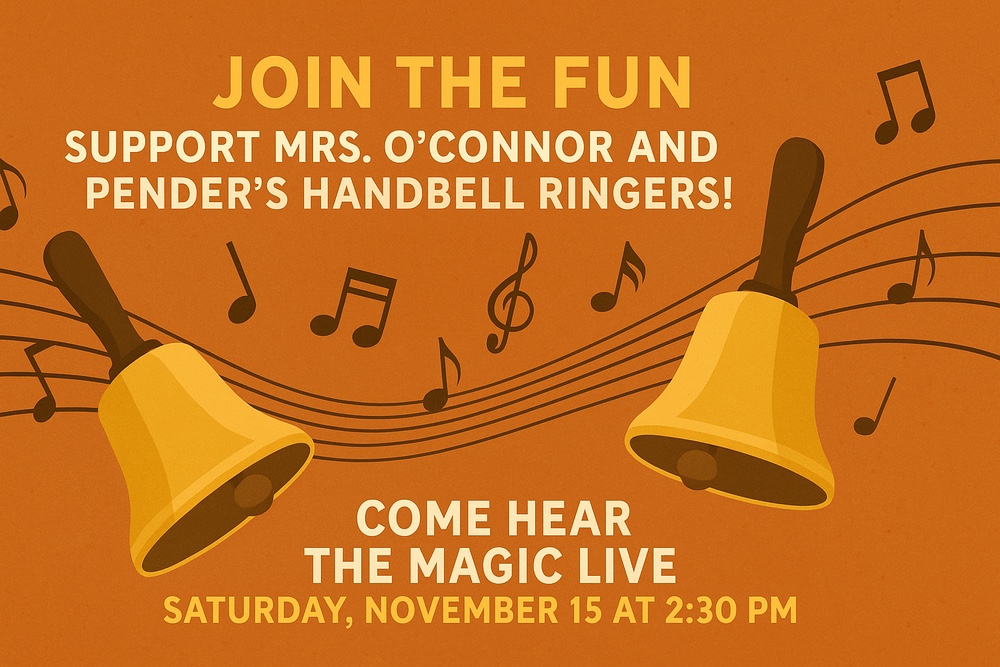
On November 14–15, Pender’s Carillon and Joy Ringers, directed by Brian Stevenson, will attend a local Handbell Festival alongside ten other handbell choirs for an unforgettable weekend of music.
🎵 Mrs. O’Connor will be performing in the final concert, and you’re invited to come hear the magic live at the free final concert on Saturday, November 15 at 2:30 PM!
✨ This festival, led by renowned composer and conductor Jason Krug, will fill the room with incredible energy and sound — imagine dozens of ringers creating beautiful harmonies together!
Bring your family and friends for an afternoon of breathtaking music, joyful community, and plenty of smiles. Let’s fill the audience with O’Connor Studio families and cheer on these amazing musicians! 💛
It’s going to be a spectacular experience you won’t want to miss!
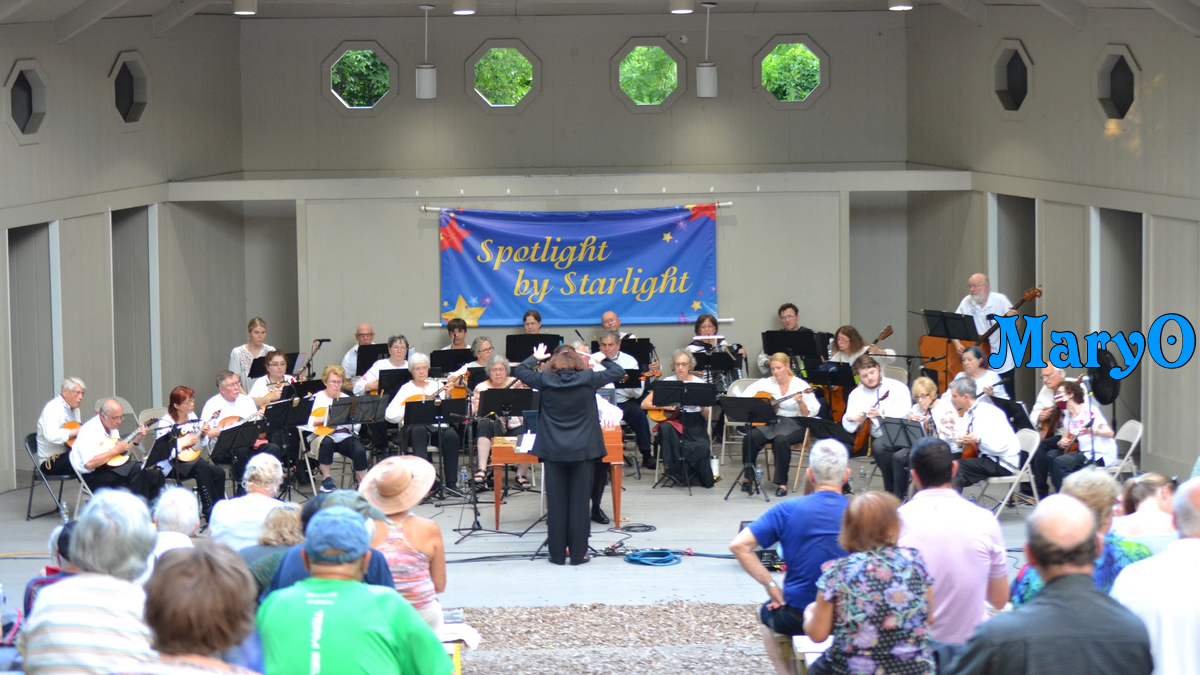
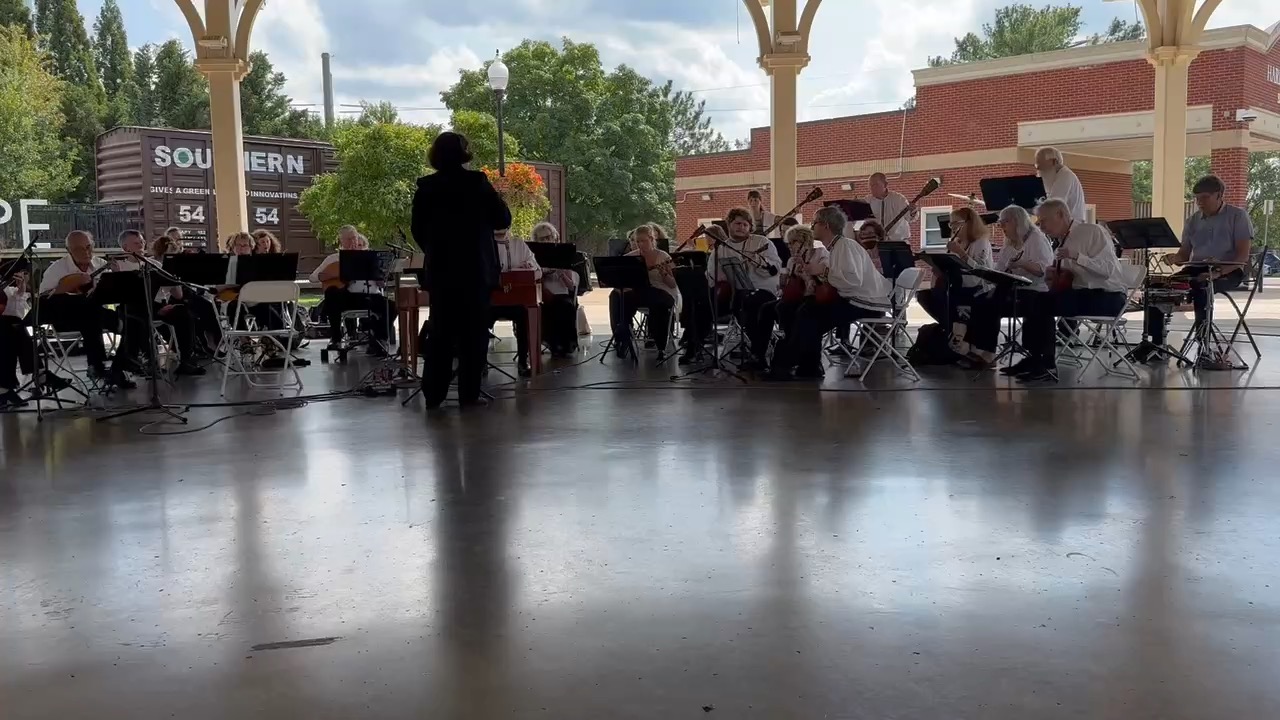
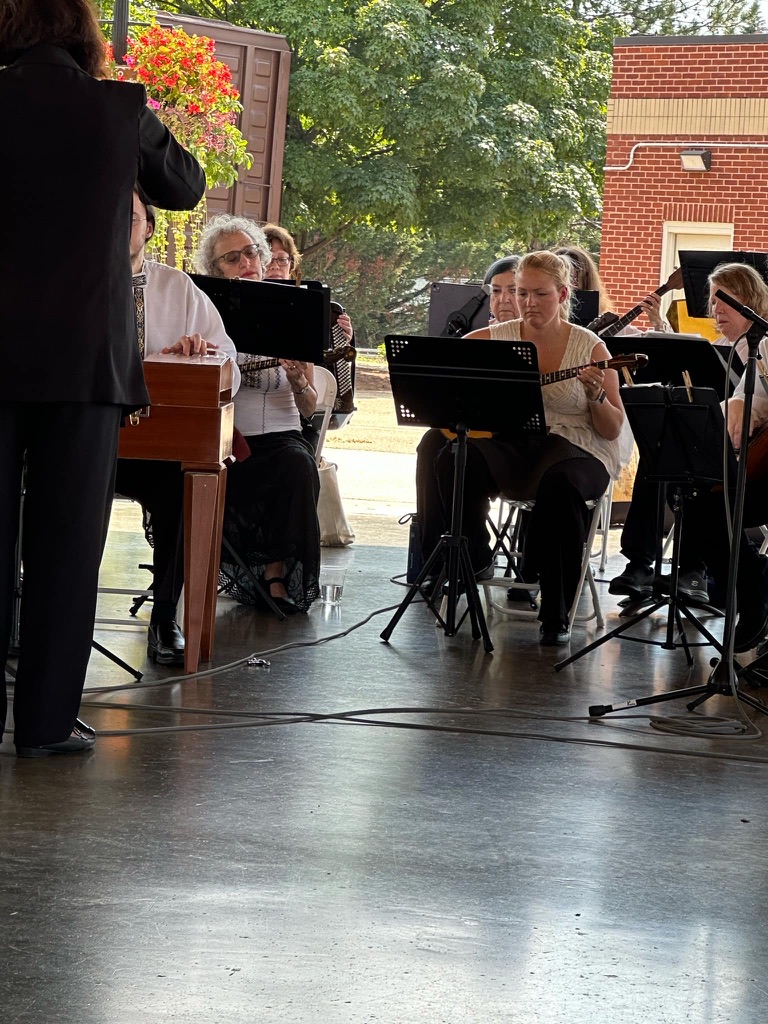
After taking July off, we are excited about our concert at the Harris Pavilion in Manassas on September 28 at 4pm. It’s in Old Town, under the pavilion at the train station.
This “Sunday Funday” concert is one of our favorite events, and it occurs rain or shine!
On May 13, 2023 Brian Stevenson, Pender Music Director, produced our annual Spring Concert.
This wonderful evening included music by Heidi Jacobs, pianist, the DC Harp Ensemble, the Pender Joy Ringers Handbell ensemble, Sean Wittmer, violinist, and an Irish music session.
Heidi had just been hired as Pender’s pianist on May 11, 2023 and she agreed to play her audition piece, “Advent Medley” for our concert.
Donations received went to the REACH International foundation in support of two Sri Lankan orphanages.
Concert repertoire will include:
Harp arrangements by Debussy
Piano trio of Jazz/Baroque
Flute Concertino by Chaminade
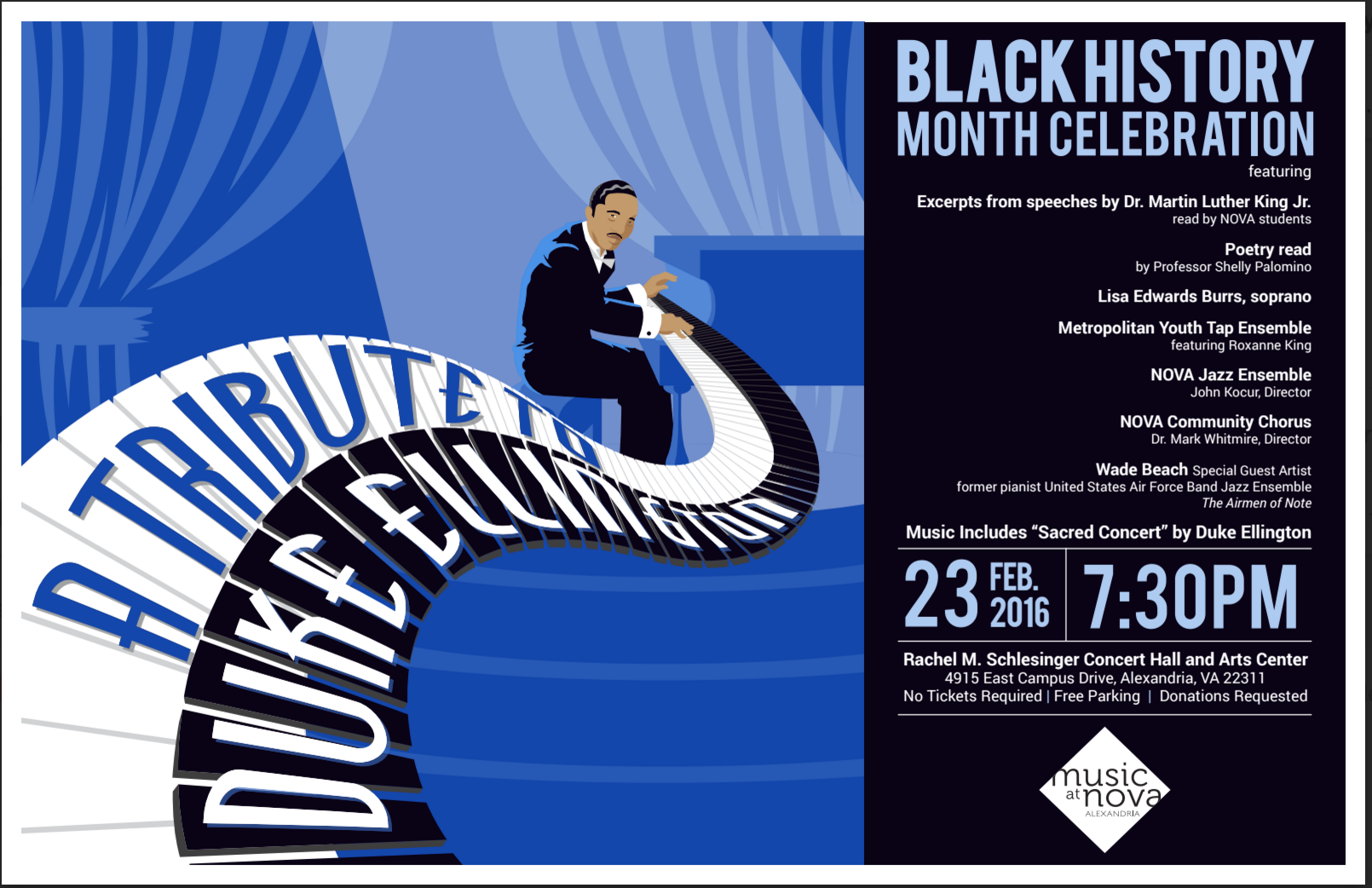
Woodwind Quintet with music of Duke Ellington
The Widor Toccata Organ Symphony Movement V
and an Irish session!
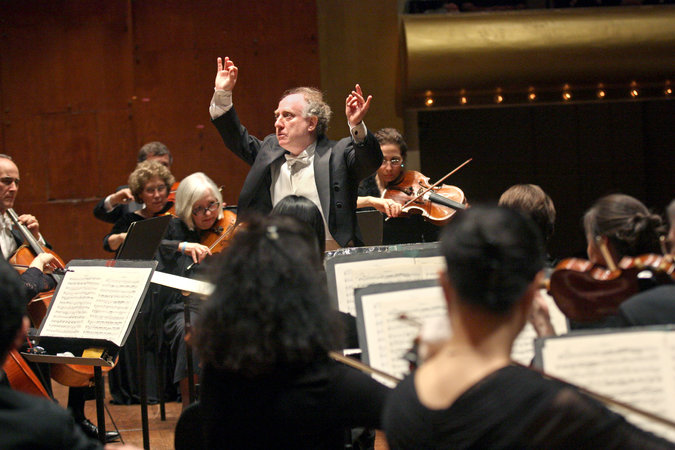
As the festival continues to evolve in directions that have less and less to do with its namesake, the Philharmonic, perhaps sensing an opportunity, offers a Mozart program of its own this week: the “Prague” Symphony and the Piano Concertos No. 20, in D minor, and No. 21, in C, with Jeffrey Kahane as guest conductor and soloist.
The “Prague” must be every opera lover’s favorite Mozart symphony. Composed in Vienna in 1786 and evidently given its premiere in Prague early the next year, it is a virtual caldron of tunes more or less shared with “Le Nozze di Figaro” (1786) and “Don Giovanni” (1787).
More than that, the symphony, played before intermission, evokes the moods and characters of those operas, especially “Don Giovanni.” Mr. Kahane treated all of that a bit matter-of-factly at Wednesday evening’s performance, with little lingering to search out lascivious byplay in dark recesses or to limn a bumbling Leporello.
So it came as a delightful surprise, after intermission, when Mr. Kahane injected the condemnatory sequence of rising and falling scales from “Don Giovanni” into his own cadenza for the first movement of the D minor Concerto. His playing was deft and virtuosic in both concertos, though his fast tempos in the outer movements of the C major resulted in some blurred scalar passages and a slightly hectic feel at times.
You might have feared a certain weightiness from the Philharmonic in Mozart, but Mr. Kahane generally drew stylish playing from a reduced band of 40 or so. The strings had a pliant quality, and the woodwinds were especially fine.
There’s more to a song than meets the ear, as Neil deGrasse Tyson finds out when he interviews singer/songwriter/producer Josh Groban. Josh shares how he got started playing his family’s electronic Casio piano while he was still in diapers, and whether he was a science geek in school.
In studio, concert pianist and MIT Lecturer in Music, Elaine Kwon, and co-host Chuck Nice add their voices to the chorus to help us hear the science woven into the songs. You’ll learn how artists breathe life into their music, and about the qualitative difference between human generated and automated music.
Explore the importance of the acoustics of a performance space, the effect music has on people, the difference between melody and harmony, the ranges the human voice is capable of, and which was more important, Charlie Parker’s personal style or his sax.
Plus, Neil and Josh discuss “acoustic panty removers”, Chuck admits to singing first soprano in his church choir, and we find out whether Rachmaninoff really had “big hands” and what rubato means.